
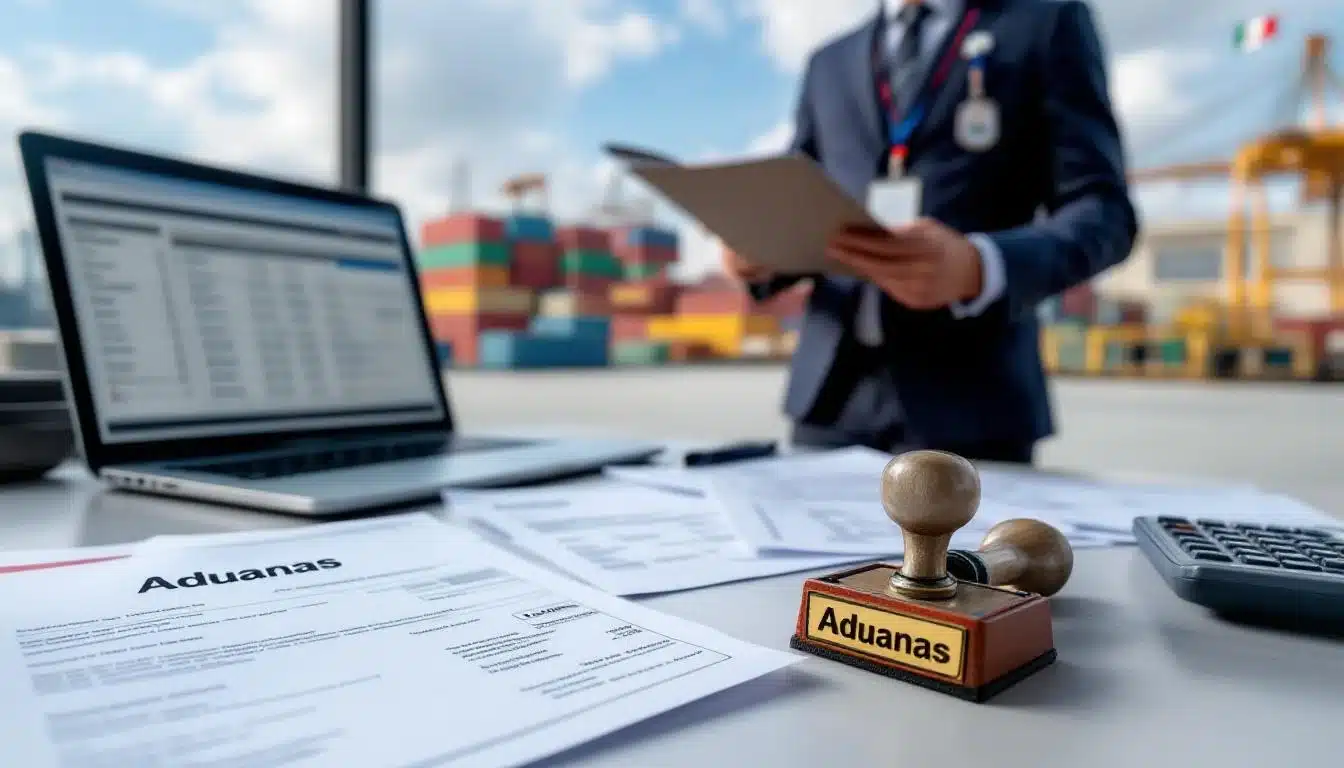
Shipping goods across the Mexico border means dealing with complex regulations, tariffs, and documentation that can derail your timeline and inflate costs. A customs broker in Mexico handles these obstacles so your freight moves smoothly through ports and checkpoints.
At Loyalty Logistics, we’ve seen firsthand how the right broker transforms cross-border operations from a compliance headache into a competitive advantage. Whether you’re still learning what a customs broker does and why you need one, or you’re ready to choose the right partner, this guide shows you what brokers handle, why they matter, and how to pick one that fits your supply chain.
What Customs Brokers Actually Handle for You
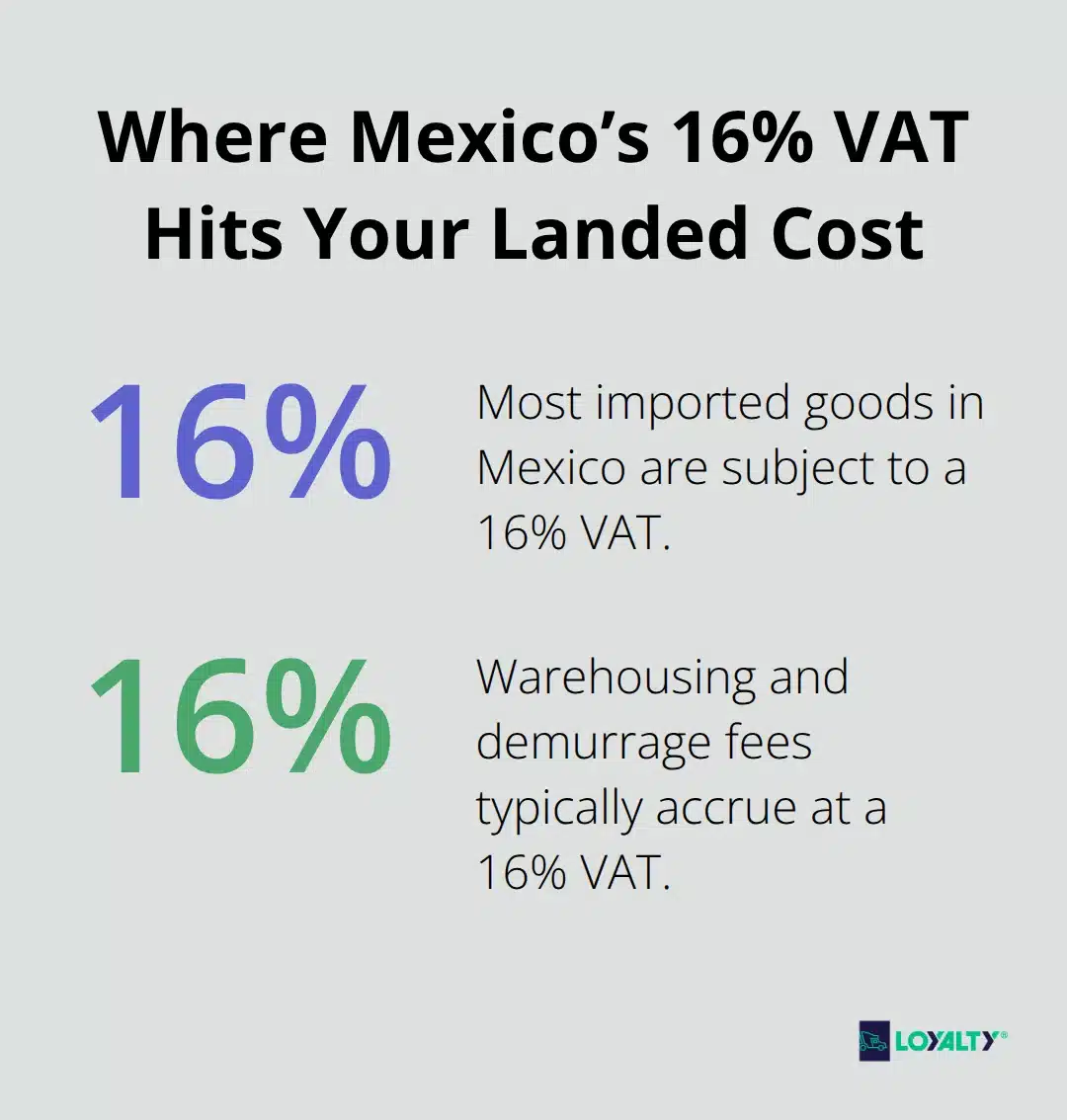
A licensed customs broker in Mexico acts as your legal representative before the Mexican National Customs Agency (ANAM) and the Tax Administration Service (SAT). They’re not just paperwork shufflers-they’re specialists who know exactly how Mexico’s import regulations work and what SAT expects. Mexico’s merchandise imports hit USD 625.3 billion in 2024, according to INEGI, and nearly all commercial shipments require a licensed broker to clear customs. The broker’s core job involves managing your Import Declaration (Pedimento de Importación), the central document that determines whether your freight clears in 24 hours or sits in storage for weeks. They verify that your product’s Harmonized System code matches the Mexican tariff classification (NICO), confirm your commercial invoice is in Spanish with the correct declared value, and check that your Bill of Lading, packing list, and any required certificates are complete and accurate. This matters because misclassification or missing documents trigger delays and penalties. Mexico’s new Customs Law, now in effect, has tightened controls on both imports and exports, making proactive compliance non-negotiable. Your broker submits the Pedimento electronically, calculates duties and the 16% VAT that applies to most goods, and coordinates payment through VUCEM, Mexico’s Single Window platform. They also monitor whether your shipment requires Previo en Origen (PEO), a pre-customs clearance inspection that verifies classification and compliance before goods arrive at the border. When PEO is used correctly, cleared shipments often arrive ready for release within 24–48 hours.
Tariff Classification and Duty Calculations
Your broker’s accuracy on tariff classification directly affects your landed cost. Mexico’s eight-digit tariff code plus two identification digits (NICO) doesn’t always map one-to-one with U.S. HTSUS codes, so a broker must verify the correct Mexican line before shipment. Get this wrong and you face reclassification, back duties, and storage penalties. The broker pulls the tariff rate, identifies applicable trade agreements (like USMCA provisions that can reduce duties for eligible North American goods), and calculates your total duty liability. As of January 1, 2025, every import declaration must include the Importer of Record’s Tax ID (RFC) to improve traceability-a requirement many shippers miss. Your broker also flags whether your product falls under any non-tariff measures, restricted imports, or special regimes like the IMMEX (Maquiladora) program, which can reduce or waive duties on equipment and raw materials if you qualify. They explain what you actually owe in real pesos before goods arrive, not after.
Clearance Speed and Risk Mitigation
Customs clearance in Mexico typically takes a few days to several weeks depending on port saturation and documentation quality. Your broker reduces this timeline through complete, error-free documentation submitted electronically and maintains relationships with ANAM and SAT personnel. They know which customs offices accept which product categories-some goods must enter through designated ports listed in Mexico’s General Rules of Foreign Trade, and routing your shipment to the wrong port adds days. If your shipment receives selection for physical inspection, the broker coordinates with port or airline handlers, manages warehousing and demurrage fees (which can accumulate quickly at 16% VAT), and works to clear any discrepancies. They also handle post-clearance record-keeping requirements, which SAT enforces for five years, so you stay audit-ready. In high-risk categories like dangerous goods or oversized cargo, the broker knows compliance protocols and connects you with specialized handlers who prevent costly holds. For cross-border operations where security certification matters, understanding CTPAT requirements and how to maintain compliance gives you an additional layer of protection against inspections and delays.
What Separates a Strong Broker from the Rest
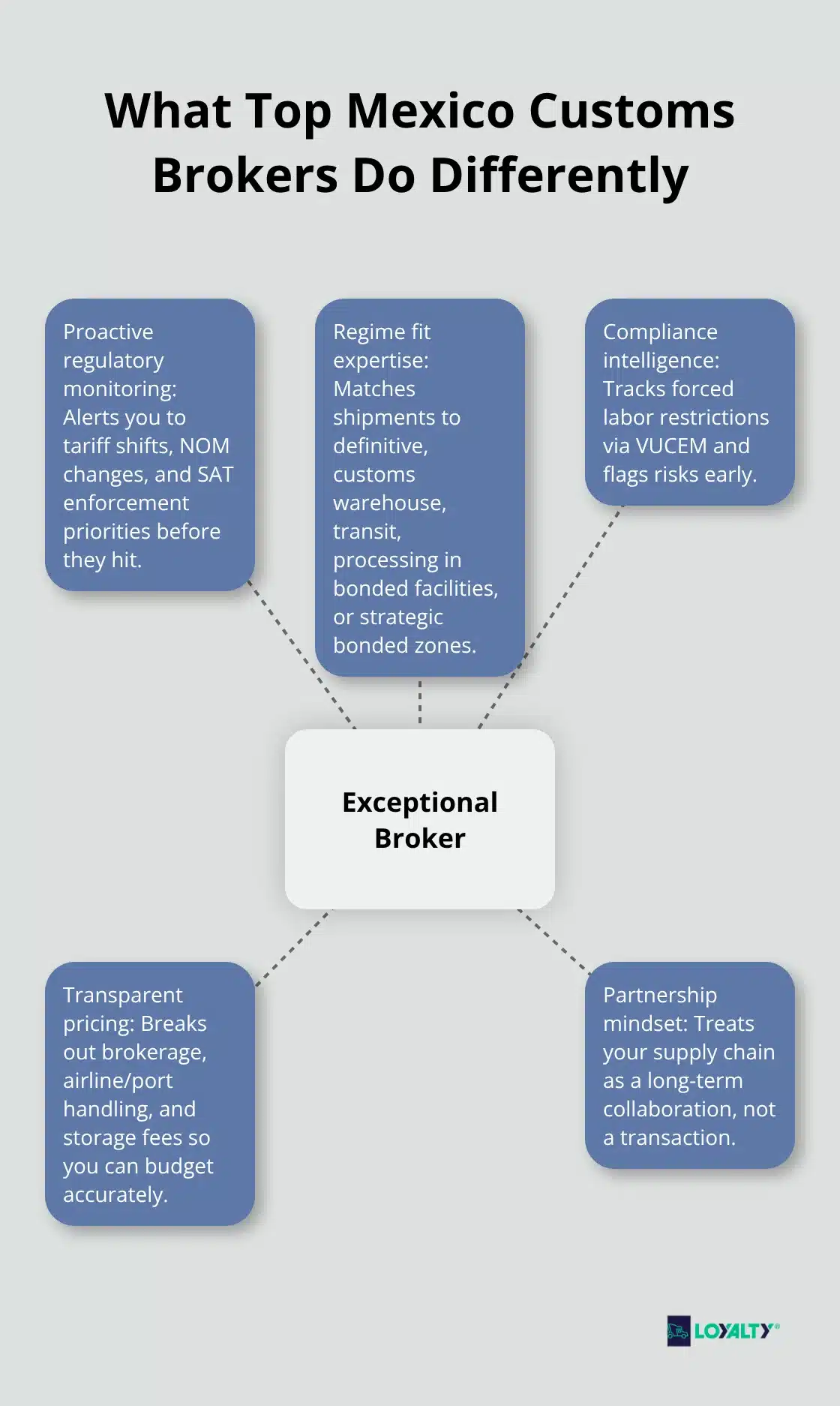
The difference between a competent broker and an exceptional one shows up in how they handle edge cases and regulatory changes. A strong broker proactively alerts you to tariff shifts, new NOM (Official Mexican Standards) requirements, or shifts in SAT enforcement priorities. They maintain current knowledge of which import regimes (definitive, customs warehouse, transit, processing in bonded facilities, or strategic bonded zones) fit your shipment type and cost structure. If your goods move through bonded cargo facilities or customs warehouses, a broker who understands these regimes can defer duties and reduce your upfront costs significantly. They also track forced labor restrictions and other compliance measures that SAT now enforces through VUCEM. A broker who communicates clearly about fees-breaking down brokerage charges, airline or port handling fees, and storage costs-helps you budget accurately and avoid surprises. The best brokers treat your supply chain as a partnership, not a transaction, and they flag risks before they become problems.
Why a Customs Broker Protects Your Bottom Line
The Real Cost of Skipping Professional Clearance
Skipping a customs broker or working with an unlicensed one sounds like cost savings until your shipment sits in a Mexican port for three weeks while SAT investigates misclassified goods. Storage and demurrage fees accumulate at 16% VAT, applied daily, and a single documentation error triggers reclassification penalties that dwarf what you’d have paid a broker upfront. Mexico’s new Customs Law tightened import and export controls significantly, and SAT now enforces compliance with real consequences.
A licensed broker absorbs this risk. They verify your HS code against Mexico’s NICO tariff system before shipment, catching misclassifications that would otherwise surface at the border. When your product requires Previo en Origen inspection, a broker coordinates this pre-clearance process so goods arrive already verified and clear within 24–48 hours rather than facing random inspections that delay release by days or weeks.
Documentation and Compliance That Prevents Delays
The broker ensures your Importer of Record Tax ID (RFC) appears correctly on every declaration as of January 1, 2025-a requirement that trips up shippers who handle customs alone. They calculate your actual duty and VAT liability in advance using current tariff rates, so you budget accurately instead of discovering surprise assessments after goods land.
If your shipment qualifies for USMCA or Maquiladora programs that reduce duties, a broker knows exactly which products and origins qualify and files the right paperwork to claim those savings. Most critically, a broker maintains post-clearance records for five years and keeps you audit-ready, protecting you from SAT enforcement actions that can result in penalties far exceeding the cost of professional clearance.
Strategic Routing and Port Selection
A customs broker navigates the routing maze that most shippers overlook. Mexico’s General Rules of Foreign Trade designate specific customs offices for certain product categories, and routing your shipment to the wrong port adds days and triggers reclassification reviews. Your broker knows these rules and selects the optimal entry point for your goods, product type, and import regime.
They monitor whether your shipment needs additional permits or certificates like NOM compliance documentation, which SAT now flags aggressively. If your goods face selection for physical inspection, the broker manages the port or airline handler coordination, negotiates warehousing costs, and works discrepancies with SAT personnel who know them personally. This relationship accelerates resolution in ways that shippers handling clearance solo cannot replicate.
Staying Ahead of Regulatory Changes
A strong broker alerts you proactively to tariff shifts, enforcement priority changes, and new restrictions like forced labor import enforcement now tracked through VUCEM. This intelligence lets you adjust sourcing or pricing before problems hit your supply chain. They also track which import regimes (definitive, customs warehouse, transit, processing in bonded facilities, or strategic bonded zones) fit your shipment type and cost structure, and they flag when SAT enforcement priorities shift toward your product category.
The difference between a competent broker and an exceptional one shows up in how they handle edge cases and communicate fee breakdowns. A broker who separates brokerage charges, airline or port handling fees, and storage costs helps you budget accurately and avoid surprises. The best brokers treat your supply chain as a partnership, not a transaction, and they flag risks before they become problems. With the right broker in place, your focus shifts from compliance headaches to the next critical decision: selecting the broker who actually delivers on these promises.
Already moving freight across the Mexico border?
Loyalty Logistics coordinates customs clearance, carrier dispatch, and border crossings so your shipments clear without delays or surprise fees.
Explore Cross-Border Freight Services →Selecting a Customs Broker Who Delivers
Picking a customs broker in Mexico is not about finding the cheapest option. It’s about finding someone who understands your specific product category, knows the current enforcement priorities at SAT, and maintains relationships with the right people at the ports or airports where your goods enter. A broker who handles apparel clearances may struggle with machinery imports that require special permits. A broker strong on Guadalajara operations might lack connections in Monterrey or Tijuana.
Verify Credentials and Specialization
Start with a non-negotiable step: confirm that your candidate holds a current agente aduanal license issued by SAT. Check the SAT registry directly or ask the broker to provide proof. Next, assess their experience with your specific product type and import regime. If you ship under IMMEX (Maquiladora) programs, find a broker who has filed dozens of IMMEX declarations and knows which products qualify for duty reductions. If you need Previo en Origen inspections, ask how many they have coordinated and which inspection partners they work with. A broker who has worked with established inspection firms on PEO clearances will move your shipment faster than one learning the process on your account.
Verify their knowledge of current requirements like the January 2025 RFC (Importer of Record Tax ID) mandate and forced labor restrictions now tracked through VUCEM. Ask them to walk you through how they calculate duties and VAT for a sample shipment in your category. A strong broker will explain the tariff rate, any applicable trade agreement benefits, and the 16% VAT applied to fees. They should also explain how demurrage and storage fees accumulate if clearance delays occur.
Assess Track Record and References
Request references from three to five shippers in your industry and contact them directly. Ask whether the broker communicated proactively about regulatory changes, caught classification errors before shipment, and handled fee breakdowns transparently. These conversations reveal whether the broker treats compliance as a partnership or a transaction.
During your conversation, assess whether the broker proactively mentions risks specific to your product category. A broker who asks about forced labor compliance, NOM requirements, or whether your goods need pre-clearance inspection shows they think beyond paperwork. A broker who simply quotes a price and waits for your shipment details operates reactively, not strategically.
Evaluate Pricing and Fee Transparency
Demand an itemized quote that separates brokerage fees from airline or port handling charges and storage costs. Customs brokerage fees vary significantly by product type and shipment complexity, so expect variation across your shipments. The broker’s fee might range from 150 to 400 USD per shipment depending on documentation complexity and product risk level, but confirm this against your specific goods. Avoid brokers who quote a flat rate without understanding your shipment details.

Ask whether they charge in USD or MXN and confirm how currency fluctuations are handled. Verify that they disclose VAT separately so you can budget accurately. A broker who separates these line items helps you understand your true landed cost and avoid surprises when bills arrive.
Assess Geographic Reach and Communication
Check whether they maintain offices or strong connections in the customs regions where your goods will clear. Mexico’s General Rules of Foreign Trade designate specific entry points for certain products, and a broker with on-the-ground presence or relationships in key cities like Tijuana, Guadalajara, Monterrey, Hermosillo, and Mexico City can route your shipment to the optimal location. This reduces processing time and avoids reclassification triggers.
Confirm their communication standards. Ask how often they provide clearance status updates and whether they offer real-time tracking through VUCEM. A broker who sends weekly updates is less useful than one who alerts you immediately if SAT requests additional documentation or flags your shipment for inspection. The right customs broker becomes a partner who flags risks before they become problems and treats your compliance requirements as seriously as you do. When you pair a strong broker with a comprehensive cross-border shipping strategy across North America, you build a supply chain that handles regulatory complexity without slowing down.
Need to move freight across the Mexico border?
Get a no-obligation quote from Loyalty Logistics — we handle customs coordination, carrier dispatch, and timely delivery across the U.S., Mexico, and Canada.
Get a Free Quote →Final Thoughts
A customs broker in Mexico transforms cross-border shipping from a compliance burden into a managed process. The right broker catches tariff misclassifications before they trigger delays, navigates SAT’s enforcement priorities proactively, and communicates fee breakdowns so you budget accurately. They know which products require Previo en Origen inspections, which customs offices accept your goods, and how Mexico’s new Customs Law affects your specific shipment type.
Your supply chain efficiency depends on selecting a broker who treats compliance as a partnership. Verify their SAT license, assess their experience with your product category and import regime, and demand itemized pricing that separates brokerage fees from handling and storage charges. References from shippers in your industry reveal whether they communicate proactively about regulatory changes or simply process paperwork reactively.
Pair your customs broker with a transportation partner who handles the full cross-border operation seamlessly. At Loyalty Logistics, we coordinate with customs brokers to move your freight across the U.S., Canada, and Mexico with timely, damage-free delivery.
Related Articles
• What Is a Customs Broker? – Overview of what brokers do and when you need one
• How to Choose Between Freight Forwarder vs Customs Broker – Clarifies when you need each type of partner
• How to Navigate Freight Shipping to Mexico Successfully – End-to-end guide for shipping into Mexico
• Mexico Tariffs: What You Need to Know – Tactical breakdown of Mexico’s current tariff landscape
Ready to Simplify Your Mexico Customs Operations?
Loyalty Logistics works alongside your customs broker to handle the full cross-border chain — from carrier dispatch and border crossing coordination to final delivery across the U.S., Mexico, and Canada. We specialize in time-sensitive and compliance-heavy freight so you can focus on your business, not paperwork.
Loyalty Logistics: Connecting businesses with opportunities across North America.
Written by: Carlos Robayo, Director of Marketing at Loyalty Logistics
With experience in logistics marketing and international trade strategies, Carlos specializes in connecting companies with efficient, reliable transportation solutions for the North American market.

