
Food moves from farm to your customer’s door through multiple stages of the food supply chain, each with its own risks and requirements. At Loyalty Logistics, we know that managing a food supply chain means balancing speed, safety, and cost-often simultaneously.
Temperature breaks, regulatory violations, and waste can derail operations fast. This guide covers what logistics managers need to know to keep food moving reliably.
How Food Moves Through Distribution Networks
From Farm to Processing Facility
Food reaches processing facilities within hours or days of harvest, depending on distance and product type. Fresh produce typically travels 100–500 miles from farm to processor, while frozen proteins and shelf-stable goods move across longer routes. The speed of this first leg matters because every hour counts-produce loses nutritional value and shelf life with each passing day. Processing facilities then clean, cut, cook, or package the food before storing it in temperature-controlled warehouses. These facilities must maintain strict temperature zones: ambient storage for shelf-stable items, chilled at 35–40°F for dairy and deli products, and frozen below 0°F for proteins and prepared foods.
Temperature Control in Warehouse Operations
A single temperature excursion-even a brief spike to 45°F in a frozen zone-compromises product safety and triggers regulatory holds or buyer rejection. Warehouses near ports or border crossings reduce transit times significantly; a facility within 50 miles of a major port cuts shipping delays by 2–3 days compared to inland locations. Location strategy directly impacts both compliance and cost. Facilities that invest in redundant cooling systems and continuous temperature monitoring prevent the costly product loss that results from temperature breaks.
Transportation to Retail and Food Service
Refrigerated trucks (reefers) are non-negotiable for perishables; they maintain 32–36°F and cost roughly 15–25% more than standard freight, but that premium is trivial compared to product loss from spoilage. Last-mile delivery-the final segment to stores, restaurants, or distribution centers-is where most delays occur. Incomplete documentation, missing FDA Prior Notice submissions, or cold-chain lapses at this stage stall shipments for 3–7 days. Carriers with proven cold-chain experience and real-time temperature logging are essential; many regional and international shipments fail because carriers lack the infrastructure or expertise to maintain continuous temperature control.
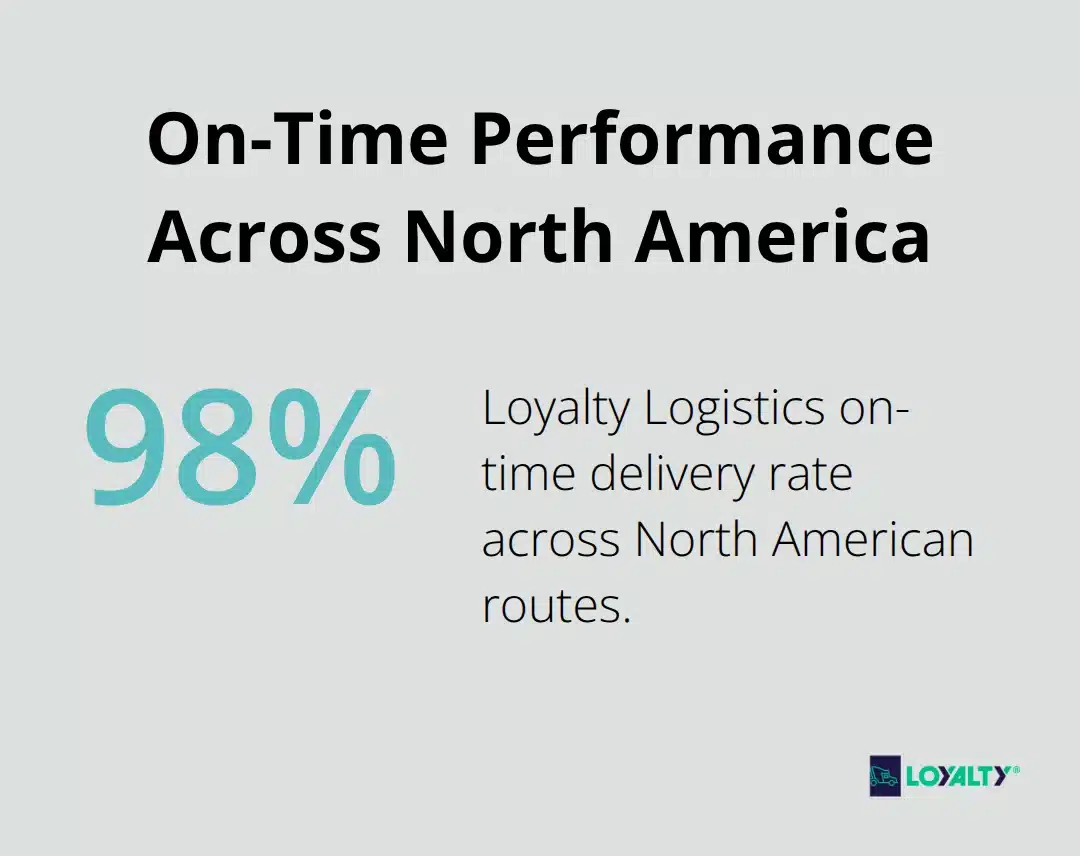
For cross-border moves into the U.S., FDA-registered facilities and compliant carriers reduce detention risk substantially. Our food and beverage transport service operates refrigerated and reefer trucks specifically designed to prevent temperature breaks, ensuring products arrive fresh and compliant, with a 98% on-time rate across North American routes.
Demand Planning and Inventory Positioning
Demand forecasting tied to seasonal and cultural events helps predict volume spikes, allowing warehouses to stage inventory closer to final destinations. Without this planning, sudden demand for ethnic foods during holidays or cultural celebrations exhausts inventory at distant warehouses, forcing expedited shipping that inflates costs by 20–40%. Predictive analytics tied to regional cultural events and holidays improve forecast accuracy and reduce the need for emergency freight moves. Warehouses that anticipate these demand shifts position stock strategically and avoid the margin compression that comes with last-minute expedited shipments.
Temperature control, documentation accuracy, and demand visibility form the foundation of reliable food distribution. The next section addresses the specific compliance and safety standards that govern every stage of this network.
Watching food shipments lose to cold-chain breaks?
Loyalty Logistics runs dedicated reefer and refrigerated capacity across the U.S., Canada, and Mexico with continuous temperature logging, FDA-aware documentation, and 98% on-time performance for food and beverage shippers.
What Stops Food Supply Chains in Their Tracks
Temperature breaks, regulatory holds, and waste destroy margins faster than most logistics managers expect. A single cold-chain failure costs $3,000–$10,000 in demurrage, detention, and lost buyer relationships. We at Loyalty Logistics see the same compliance failures and operational missteps repeat across shipments, and most are preventable. The three biggest obstacles-temperature control, regulatory compliance, and waste-intersect in ways that compound costs if not managed deliberately.
Why Temperature Excursions Happen and How to Stop Them
Temperature breaks occur not because freezers fail, but because logistics teams skip pre-cooling or fail to confirm port-side power before a reefer container arrives. A frozen protein shipment that sits unrefrigerated for even 4 hours at a 65°F dock triggers a regulatory hold or buyer rejection. Operational discipline prevents this: pre-cool all reefer containers 24 hours before loading, maintain continuous temperature logging with alerts set at ±2°F from target, and confirm that receiving facilities have active refrigeration ready before the truck arrives. Most exporters assume their carrier handles this-they don’t. Verify it yourself. Carriers with proven cold-chain infrastructure and real-time monitoring systems prevent these failures, but verification remains your responsibility. Facilities located within 50 miles of major ports or border crossings reduce exposure by cutting transit time by 2–3 days, limiting the window for temperature drift. Redundant cooling systems in warehouses add upfront cost but eliminate the catastrophic loss of an entire shipment when a primary unit fails.
Documentation Gaps Delay Shipments by Days, Not Hours
Incomplete or incorrect documentation stands as the leading cause of customs holds in international food shipping. Missing FDA Prior Notice submissions, wrong Harmonized Tariff Codes, or vague product descriptions on commercial invoices stall shipments for 3–7 days. The cost compounds: every day a reefer container sits in customs detention costs €600–€1,200 in port fees, plus product degradation.
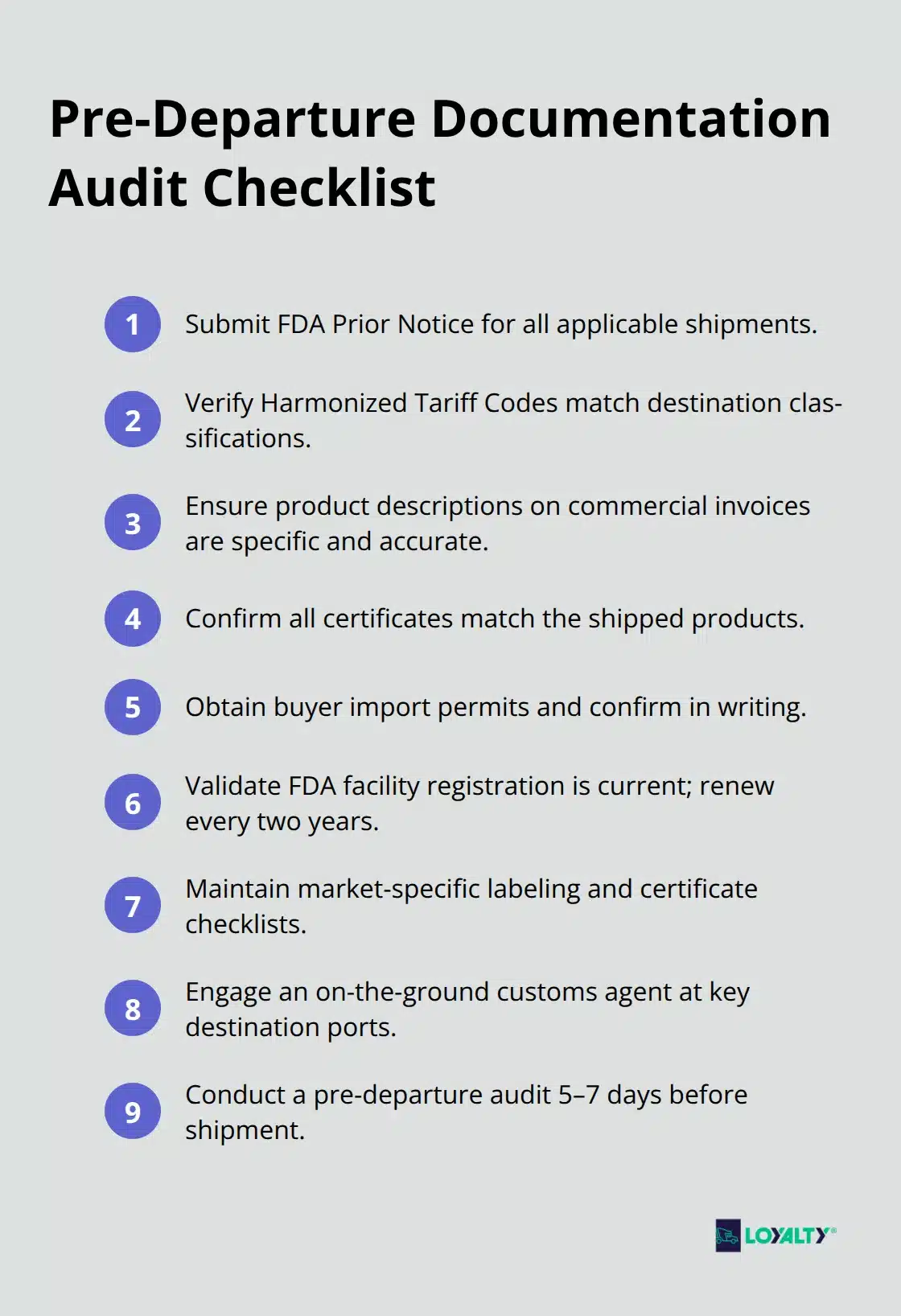
A pre-departure documentation audit 5–7 days before shipment departure solves this problem. Verify that every certificate matches the product, that HS codes align with destination country classifications, and that all buyer import permits are confirmed in writing. FDA facility registration is mandatory for any food operation shipping into the U.S., and renewal occurs every two years; non-registration results in automatic detention. For cross-border moves, maintain a documentation checklist specific to each destination market-Canada requires different labeling than Mexico, and Africa requires different certificates than the EU. Exporters with consistent, complete documentation experience 20–30% fewer delays than those who treat paperwork as secondary. One on-the-ground customs agent in key destination ports mobilizes a response within 24 hours if a hold occurs, reducing potential product loss significantly.
Waste and Spoilage Erase Profitability Faster Than Price Cuts
Food waste in supply chains runs 8–15% of shipped volume in developing markets and 5–10% in developed markets, according to the UN Food and Agriculture Organization. For a mid-size exporter shipping 50 pallets per week, a 10% waste rate equals 5 pallets lost to spoilage, temperature damage, or regulatory rejection-roughly €2,500–€5,000 per week in lost revenue. Demand forecasting tied to seasonal and cultural events reduces the need for emergency expedited shipments, which inflate transportation costs by 20–40% and increase handling damage. Position inventory strategically near high-demand regions 4–6 weeks before peak seasons (ethnic foods spike around holidays and cultural celebrations, and predictive analytics can pinpoint these windows with accuracy). Packaging quality matters more than most teams realize; leak-proof outer packaging and tamper-evident seals prevent product loss during transport and handling. Carriers experienced with FDA cold-chain rules use food-grade, leak-proof materials and internal temperature logs that satisfy regulatory audits and reduce buyer rejection rates. Many exporters cut packaging costs, then lose entire shipments to rejection or damage-a false economy.
How Carrier Selection Impacts Cold-Chain Integrity
Selecting a carrier with proven cold-chain expertise separates successful shipments from costly failures. Carriers that maintain real-time temperature monitoring, use food-grade packaging, and operate reefer equipment designed for perishables reduce the risk of product loss significantly. Loyalty Logistics provides refrigerated and reefer trucks specifically designed to prevent temperature breaks and damage, with a 98% on-time rate across North American routes, ensuring products arrive fresh and compliant. When evaluating carriers, confirm their cold-chain certifications, request references from food exporters, and verify that they maintain continuous temperature logging throughout transit. Equipment age and maintenance records matter-older reefer units fail more frequently, and poor maintenance creates gaps in temperature control that go undetected until product arrives damaged.
The foundation of reliable food distribution rests on three pillars: temperature control, documentation accuracy, and carrier capability. The next section addresses how to build these systems into your operations and which partners can support this work.
Spending $3,000-$10,000 on every cold-chain failure?
Tell us your lanes, products, and temperature bands. We’ll quote reefer capacity with continuous logging, FDA-ready documentation, and pre-cleared cross-border procedures so cold-chain failures stop costing you money.
How Technology Prevents Food Supply Chain Failures
Temperature monitoring systems with real-time alerts have become non-negotiable for food logistics, not optional add-ons. A logistics manager running cold-chain shipments without continuous visibility into container temperatures operates blind-temperature excursions happen silently, and by the time product arrives damaged, the loss is already sunk. Modern temperature sensors embedded in reefer containers transmit data every 15–30 minutes to a cloud-based dashboard, triggering alerts the instant temperature drifts beyond ±2°F of target.
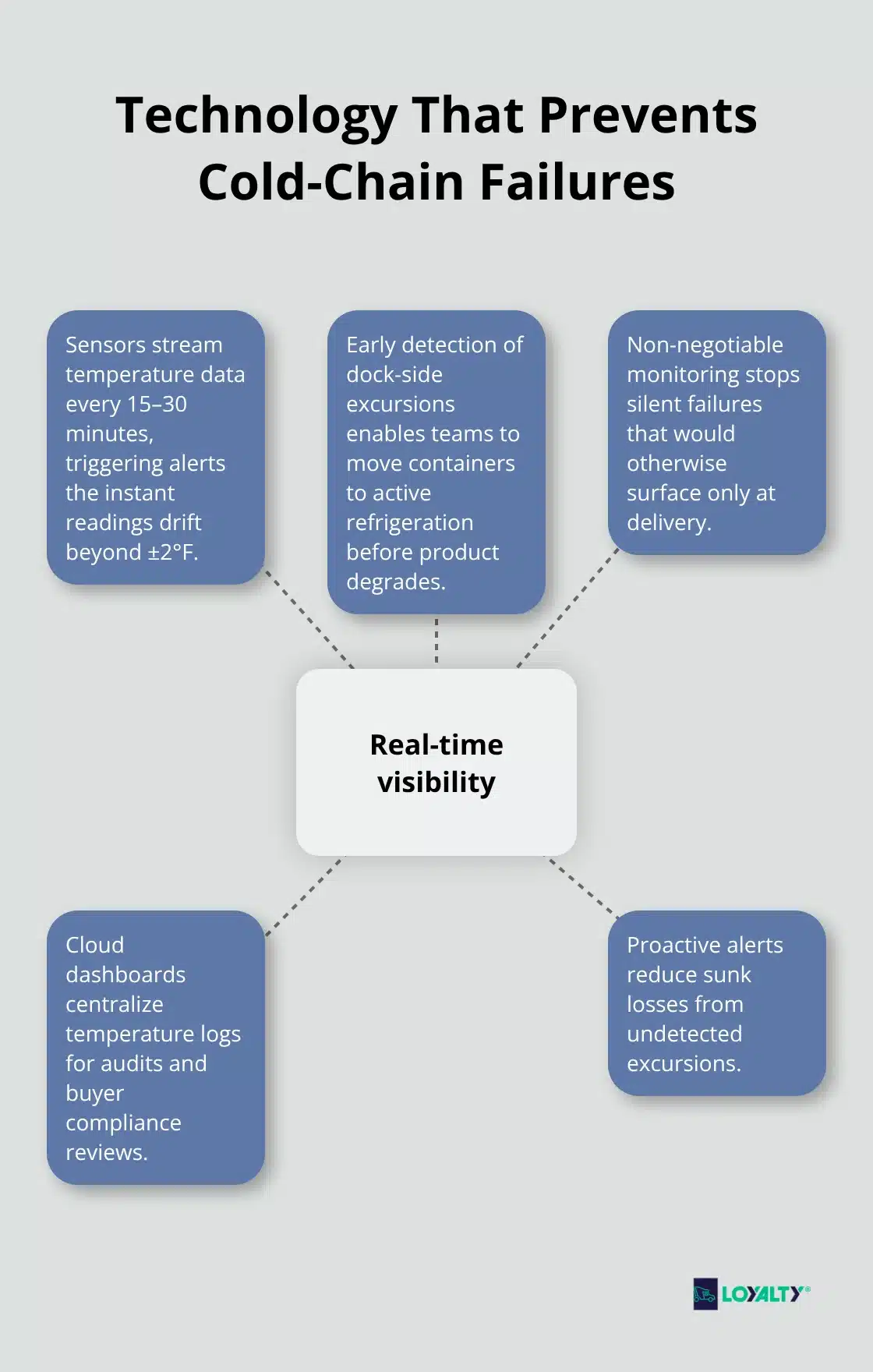
This matters because a four-hour temperature break at a dock goes undetected in traditional systems but gets flagged immediately in monitored shipments, allowing you to move the container to active refrigeration before product degrades.
Real-Time Visibility Stops Silent Failures
The data satisfies FDA audits and buyer compliance requirements-when a shipment arrives with a complete temperature log showing zero excursions, rejection risk drops substantially. Visibility systems track shipment location, estimated arrival time, and port-side power availability before your container reaches the dock. This prevents the scenario where a reefer arrives at a facility with no active refrigeration waiting, forcing a costly delay while power connections are arranged. Temperature monitoring paired with location tracking eliminates the guesswork that costs logistics teams thousands in detention fees and product loss.
Demand Forecasting Transforms Inventory Strategy
Demand forecasting powered by historical sales data and cultural event calendars transforms inventory positioning from guesswork into strategy. Rather than holding excess stock across multiple warehouses, you position inventory near high-demand regions 4–6 weeks before peak seasons. Ethnic food demand spikes 35–50% around holidays and cultural celebrations, and predictive models now identify these windows with sufficient accuracy to reduce emergency freight moves by 20–30%. A mid-size exporter shipping 50 pallets weekly saves roughly €1,200–€2,400 per week by avoiding expedited freight premiums and the handling damage that comes with rushed shipments.
Automated Integration Reduces Manual Work
Analytics flag slow-moving SKUs before they age into waste, allowing you to adjust orders or redirect inventory to different markets. Integration between your warehouse management system and demand forecasting software automates this process-when analytics predict a 40% demand surge for a specific product in a specific region, your system can automatically stage inventory closer to that destination. This reduces last-mile transit time by 2–3 days, cutting spoilage risk and ensuring fresher product reaches retail. Without this integration, teams waste time manually reviewing reports and making reactive decisions after demand has already spiked.
Final Thoughts
Temperature control, documentation accuracy, and carrier expertise form the backbone of a reliable food supply chain. You must treat these three elements as operational standards, not optional upgrades, if you want to prevent the silent failures that destroy profitability. Temperature monitoring systems with real-time alerts catch excursions before product degrades, pre-departure documentation audits eliminate customs holds that cost thousands in detention fees, and demand forecasting tied to seasonal and cultural events reduces emergency freight moves that inflate costs by 20–40%.
Your carrier choice determines whether these systems work in practice. A partner with refrigerated and reefer trucks designed specifically for perishables, combined with continuous temperature logging and real-time visibility, prevents the failures that most exporters face repeatedly. We at Loyalty Logistics operate across the U.S., Canada, and Mexico with proven cold-chain expertise and a track record of damage-free delivery for temperature-sensitive shipments.
Start by auditing your current documentation process and building checklists specific to each destination market. Next, confirm that your warehouses maintain redundant cooling systems and that your carriers provide real-time temperature monitoring. Explore our freight transportation services to see how our transportation solutions and supply chain expertise can strengthen your food supply chain operations and reduce the delays and waste that erode your margins.
Frequently Asked Questions
What are the basics of a food supply chain?
A food supply chain moves products through four core stages: farm to processing facility (typically 100 to 500 miles for fresh produce), processing and temperature-controlled warehousing (ambient, chilled at 35-40°F, or frozen below 0°F), transportation via refrigerated trucks (reefers) at 32-36°F, and last-mile delivery to retail or food service. Each stage carries temperature, documentation, and timing risks that compound if not managed deliberately.
Why is temperature control critical in food supply chains?
Temperature control is critical because a single excursion (a brief spike to 45°F in a frozen zone, for example) compromises product safety and triggers regulatory holds or buyer rejection. Cold-chain failures cost $3,000-$10,000 each in demurrage, detention, and lost buyer relationships. Continuous logging at ±2°F tolerance, pre-cooled reefer containers, and confirmed port-side power before arrival are the operational disciplines that prevent these failures.
What documentation is required for cross-border food shipments?
Cross-border food shipments into the U.S. require FDA Prior Notice submissions, accurate Harmonized Tariff Codes, commercial invoices with specific product descriptions, FDA facility registration (renewed every two years), buyer import permits in writing, and destination-specific certificates (Canada, Mexico, EU, and Africa each require different documentation). Missing or incorrect paperwork stalls shipments for 3 to 7 days and costs €600-€1,200 per day in port detention plus product degradation.
How can technology prevent food supply chain failures?
Temperature sensors embedded in reefer containers transmit data every 15-30 minutes to cloud dashboards and trigger alerts when temperature drifts beyond ±2°F of target. Demand forecasting powered by historical sales data and cultural event calendars positions inventory near high-demand regions 4-6 weeks before peak seasons, reducing emergency freight moves by 20-30%. Integration between warehouse management systems and demand forecasting software automates inventory positioning and cuts last-mile transit by 2-3 days.
Ready to Stop Losing Food Shipments to Cold-Chain Breaks?
Food supply chains reward operations that pair temperature discipline with documentation rigor. Tell us your products, lanes, and temperature bands and we’ll quote refrigerated and reefer capacity with continuous logging, FDA-aware documentation, and pre-cleared cross-border procedures so cold-chain failures stop being a recurring expense.
Related Articles
- Food Supply Chain: A Complete Guide: Comprehensive sibling guide that complements these basics with deeper operational detail.
- Reefer Truck Guide: Keep Food Fresh in Transit: Reefer fundamentals and equipment selection for food shippers.
- How to Choose a Perishable Freight Forwarder: Selection criteria for partners moving temperature-sensitive food internationally.
Loyalty Logistics: Connecting businesses with opportunities across North America.
Written by: Carlos Robayo, Marketing Director at Loyalty Logistics
With expertise in logistics marketing and international trade, Carlos specializes in connecting businesses with efficient and reliable transport solutions for the North American market.

