
Furniture shipping across borders creates real headaches for logistics managers. Damage, customs delays, and surprise costs eat into margins fast.
At Loyalty Logistics, we’ve seen firsthand how poor planning turns a straightforward shipment into a compliance nightmare. This guide walks you through the exact strategies that reduce risk and cut unnecessary expenses.
What Makes Furniture Shipping Across Borders So Difficult
Damage Risk During Transit
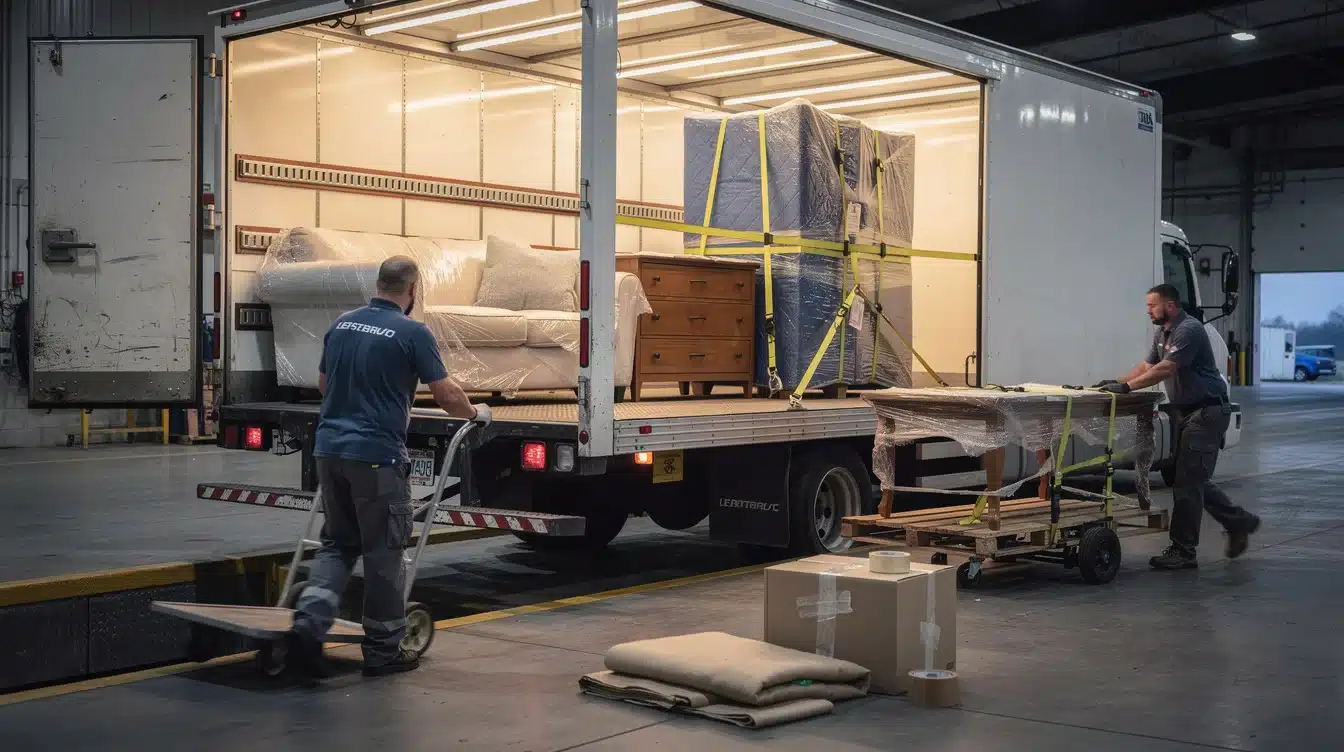
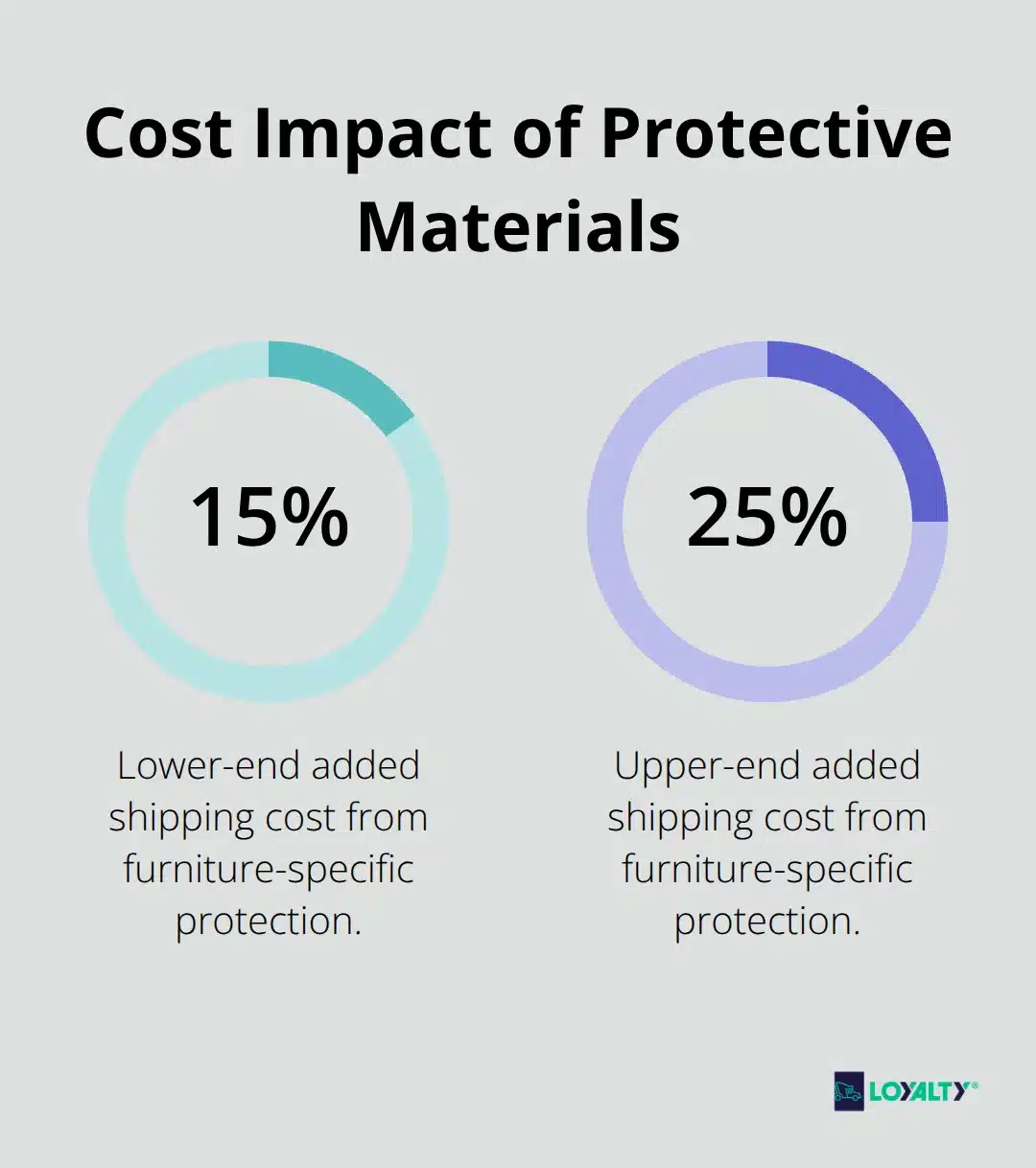
Furniture damage during transit hits hard because the items are bulky, often fragile, and packed tightly into containers where shifting happens constantly. A single sofa or bedroom set can represent thousands of dollars in inventory, and moisture, temperature swings, and rough handling during loading or unloading create real losses. Wood warps when humidity spikes; veneers peel; upholstery tears from corner protectors that weren’t installed properly. The problem intensifies when furniture crosses borders-shipments sit in ports longer, carriers transfer them multiple times, and customs checkpoints add additional handling. You need protective wrapping that goes beyond standard moving blankets. Furniture-specific materials like corner guards, edge protectors, and custom crating for high-value pieces reduce claims, but they add 15–25% to shipping costs, forcing you to choose between protection and margin.
Customs Compliance Complexity
Customs compliance for furniture creates the biggest headache for logistics managers. When you ship furniture from the U.S. to Canada, you must declare all household goods, and most items enter duty-free if owned and used for at least one year-but shipments must clear customs within 40 days or face penalties. Recently purchased goods, high-value items, and specialty furniture trigger duties or taxes that you pay before release. Certain items face outright restrictions: weapons, narcotics, certain alcohol and tobacco quantities, and non-approved foods cannot cross at all. If you ship pets or plants with the furniture, dogs and cats over four months need rabies vaccination proof, and many plants require advance approval from the Canadian Food Inspection Agency. Provincial rules vary too; Ontario has different requirements than British Columbia.
Hidden Costs and Documentation Burden
The real cost killer isn’t just tariffs-it’s the documentation burden. You need detailed inventory lists, bills of lading, commercial invoices, and proof that items meet safety standards. A single missing form delays everything.
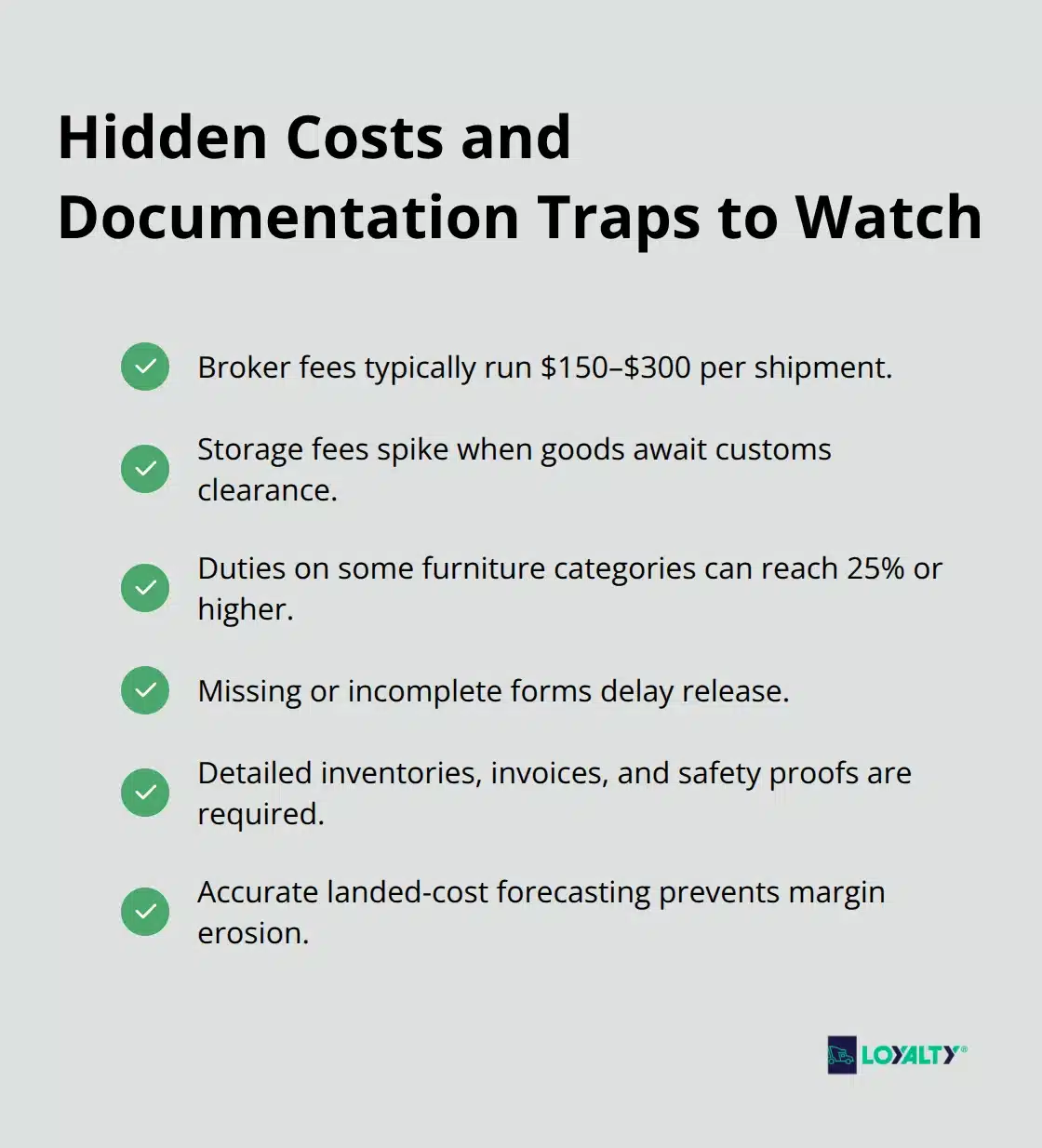
Hidden fees compound the damage: broker fees typically run $150–$300 per shipment, storage fees spike if goods sit waiting for customs clearance, and duties on certain furniture categories reach 25% or higher depending on origin and material (wood products face even steeper rates under current tariff structures). Most logistics managers budget for transport, then face surprise back-end costs that arrive after the shipment lands. These unexpected expenses erode margins faster than most anticipate, making accurate cost forecasting essential before you commit to any cross-border furniture move.
Reducing Damage and Controlling Costs Before Shipment
Select Materials That Match Your Shipment Profile
Furniture damage during transit stems from inadequate protection, not bad luck. Standard moving blankets fail because they slip during handling and offer minimal edge protection. Instead, use furniture pads rated for commercial transport, corner guards on every protruding edge, and edge protectors on surfaces prone to chipping. For high-value pieces, custom wooden crating costs 15–25% more than standard wrapping but eliminates most damage claims. Moisture poses a silent threat in cross-border moves; use moisture-absorbing packets inside sealed plastic wraps, especially for wood furniture crossing from dry climates into humid regions.
Document Condition Before Packing Begins
Photograph every piece before packing. This isn’t bureaucracy-it’s your defense against damage disputes with carriers and your proof for insurance claims. Pack strategically by placing heavy items on pallets and lighter pieces on top, securing everything with load-rated straps. Fill gaps with foam or cardboard to prevent shifting during the multiple handoffs that occur at ports and customs checkpoints.
Choose Carriers With Cross-Border Experience
Full truckload freight costs more upfront but eliminates transfers and reduces handling risk compared to less-than-truckload options where your furniture shares space with other shipments and moves multiple times. For cross-border moves specifically, work with carriers experienced in U.S.-Canada or U.S.-Mexico routes who understand provincial regulations and port procedures. Request carriers with real-time tracking capability so you know exactly where your shipment sits during customs delays. Loyalty Logistics offers versatile transportation solutions across the U.S., Canada, and Mexico, specializing in timely, damage-free delivery with a 98% on-time rate and more than 10,000 successful deliveries.
Secure Proper Insurance and Written Documentation
Standard carrier liability covers only a fraction of furniture value, so purchase additional cargo insurance that covers the full replacement cost. Obtain written quotes that itemize transport, customs brokerage, storage, and insurance separately-this prevents the surprise fees that plague cross-border shipments. Verify that your broker holds experience with furniture-specific compliance, including tariff classification under HTS Chapter 94 and any applicable duties on wood products. Document everything in writing: signed carrier agreements, insurance policies, inventory lists, and customs declarations. When goods clear customs, confirm release status in writing before arranging drayage to your final destination. Missing documentation at any step triggers holds that cost money while your furniture sits idle.
The protection and cost controls you establish before shipment determine your margins after delivery. What happens next-how you navigate the actual customs process and manage the documentation that customs officials demand-separates shippers who move furniture smoothly from those who face delays and unexpected expenses.
Why Real-Time Tracking Stops Furniture Shipping Disasters
Visibility Transforms Port Delays Into Actionable Intelligence
Furniture shipments that cross borders sit in customs for days while you wait for a phone call or email update. That silence costs money. Port delays at U.S. West Coast facilities now stretch to about 20 days for container unloading, and without visibility into where your shipment actually sits, you cannot plan drayage, notify customers, or adjust your warehouse schedule. Real-time tracking transforms this blind spot into actionable intelligence. When you can see your shipment’s location, current status, and estimated arrival at each checkpoint-border crossing, port, customs warehouse, final destination-you stop making assumptions and start making decisions.
The difference matters because furniture damage claims spike when goods sit unmonitored in high-humidity ports or when unexpected delays force extended storage that damages finishes and upholstery. Carriers with GPS-enabled tracking and digital documentation systems let you spot problems the moment they emerge: a shipment flagged for customs examination, a delivery truck delayed by traffic, a container held for inspection. This visibility window, sometimes just hours, gives you time to contact your broker, request expedited processing, or arrange temporary climate-controlled storage before moisture ruins a veneer finish.
Early Problem Detection Prevents Costly Delays
Logistics managers who lack visibility waste resources firefighting after problems surface, while those with real-time access prevent problems entirely. The operational cost of poor visibility runs high: missed delivery windows trigger customer penalties, extended port dwell times accumulate storage fees that compound daily, and damage discovered weeks after delivery makes insurance claims harder to substantiate because condition documentation becomes muddied.
Real-time tracking eliminates the communication gap between you, your carrier, and your customer. When a retailer orders 15 bedroom sets from a supplier, that retailer wants updates on delivery timing so they can staff their receiving dock and plan floor placement. Your customer service team spends hours fielding calls asking where shipments sit because no one has a single source of truth. Carriers with advanced tracking systems across U.S., Canada, and Mexico routes provide transparent status updates at each logistics stage, reducing customer inquiries and building confidence in your supply chain reliability.
Digital Documentation Accelerates Customs Clearance
Documentation captured digitally during transit-photos of loading, customs seals, port transfers, final condition-becomes your evidence if damage claims arise. This documentation trail also accelerates customs clearance because brokers can reference verified inventory lists and condition reports rather than relying on written descriptions alone. Furniture shipments with complete digital records clear customs faster than those with paper-only documentation because customs officials spend less time verifying what actually sits inside containers.
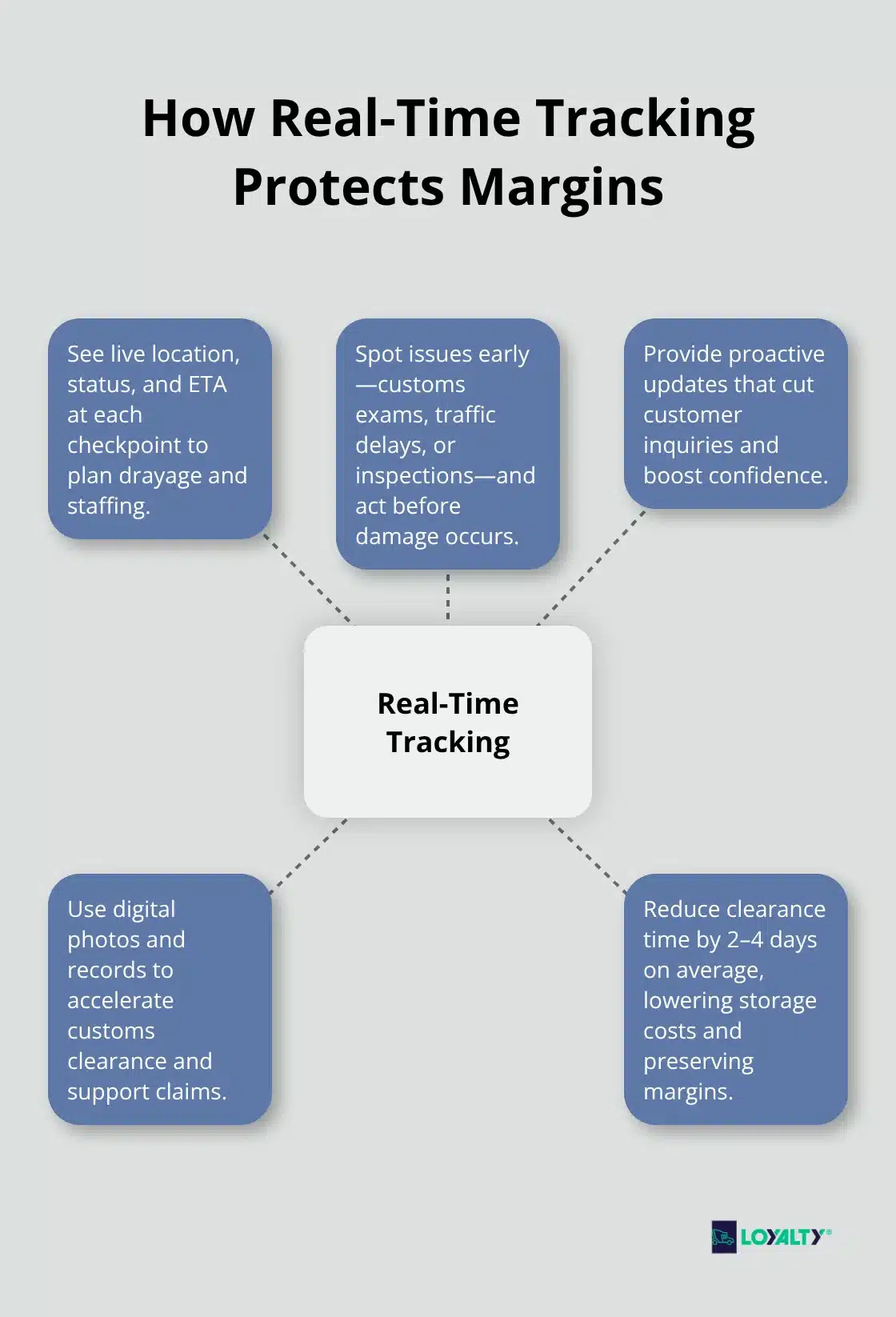
The operational advantage compounds: faster clearance means lower storage costs, earlier delivery dates, and fewer customer escalations. Your team stops spending time on status calls and starts focusing on order fulfillment. Furniture shippers who invest in carriers offering real-time visibility and digital documentation reduce their average customs clearance time by 2–4 days per shipment compared to those relying on manual tracking, and that time savings directly translates to margin preservation and customer satisfaction.
Final Thoughts
Furniture shipping across borders demands strategic planning, not hope. The damage risks, compliance complexity, and hidden costs we’ve covered throughout this guide represent real operational challenges that hit your bottom line every single day. Logistics managers who treat cross-border furniture moves as routine shipments consistently lose money to preventable damage, customs delays, and surprise fees, while those who approach each move with proper packaging, experienced carriers, complete documentation, and real-time visibility protect margins and build customer trust.
Your carrier choice determines your outcome. A partner with cross-border experience, advanced tracking systems, and proven compliance expertise costs more upfront but saves far more through faster clearance, fewer damage claims, and eliminated surprises. You need someone who understands furniture-specific risks, maintains visibility across U.S., Canada, and Mexico routes, and communicates proactively when delays emerge. Loyalty Logistics specializes in timely, damage-free delivery across these regions with a 98% on-time rate and more than 10,000 successful deliveries, offering versatile transportation solutions combined with advanced logistics and exceptional customer service.
Start by auditing your current furniture shipping process to identify where delays occur, which shipments arrive damaged, and where unexpected fees appear on invoices. Request quotes from carriers with proven track records in cross-border furniture logistics, verify their real-time tracking capabilities, ask about customs brokerage partnerships, and confirm their experience with furniture-specific compliance requirements. Compare total landed costs, not just transport fees, and prioritize carriers offering transparent, itemized quotes that eliminate surprises.

