
Cross-border e-commerce logistics demands precision. Customs delays, carrier complexity, and reverse logistics create friction that costs time and money.
At Loyalty Logistics, we’ve helped supply chain directors streamline international operations by tackling these obstacles head-on. This guide walks you through proven strategies to reduce costs, improve delivery speed, and build partnerships that work.
What Really Blocks Cross-Border Shipments
Customs Delays Cost More Than You Think
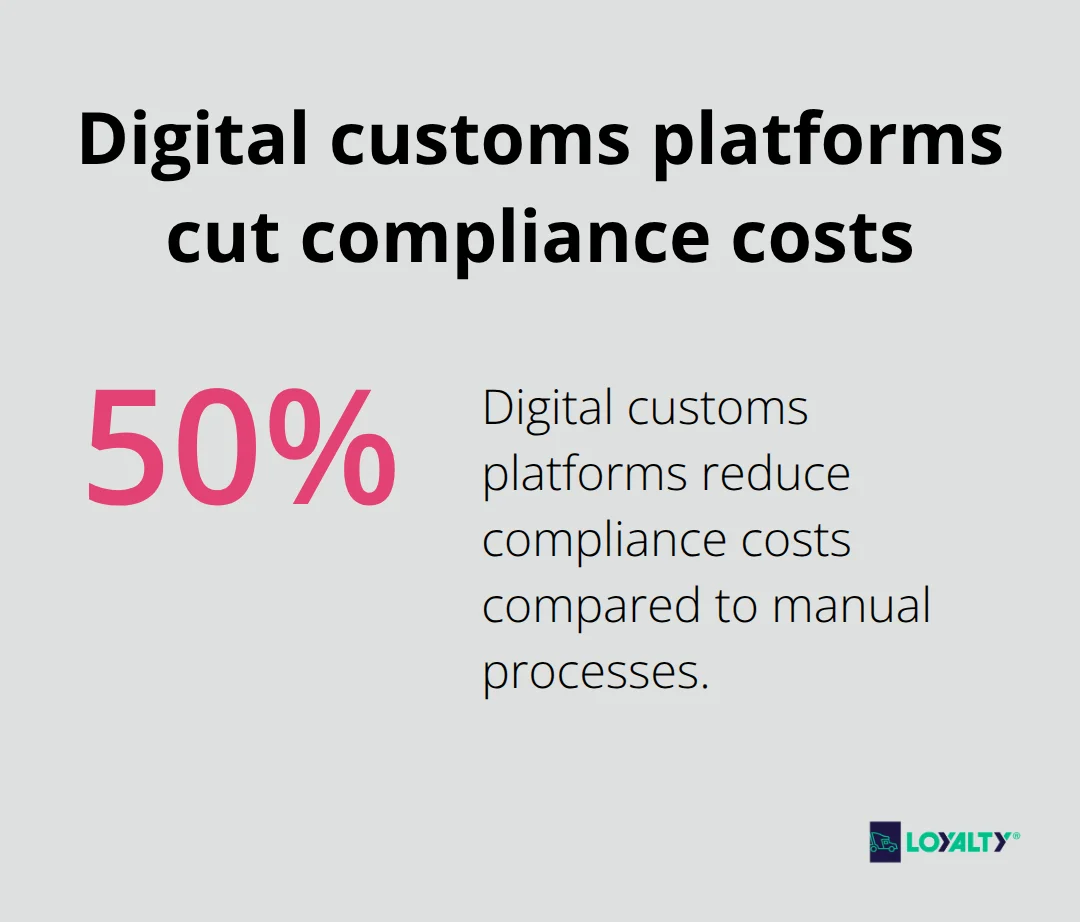
Customs clearance kills cross-border timelines faster than anything else. A PRISMA systematic literature review analyzing cross-border e-commerce logistics research from 2015 to 2024 found that regulatory compliance across multiple jurisdictions remains the primary barrier to smooth operations. Incomplete or incorrect documentation causes the most customs delays and demurrage charges. World Bank studies show digital customs platforms cut compliance costs by about 50% compared to manual processes, yet many shippers still rely on paper-based workflows.
A single documentation error-missing certificates of origin, misclassified goods, or inaccurate invoices-holds a shipment for days or weeks. Southbound shipments into Mexico face stricter inspections than northbound flows, requiring VAT validation, duty calculations, and tax documentation. Automated goods classification and digital filing systems eliminate manual errors, but adoption remains spotty among smaller operators. You need explicit visibility into what triggers inspection at each border crossing and which documents matter most for your commodities.
Hidden Costs Hide in Plain Sight
Carriers quote only the base freight rate, hiding the structural costs that appear later: border handling fees, customs brokerage charges, detention costs if clearance delays occur, and insurance gaps between U.S. and Mexican carriers. These hidden costs inflate final expenses by 20-40% depending on route and commodity. Networks operating at roughly 50% trailer utilization on northbound U.S.-Mexico corridors face fixed per-truck costs even with empty space.
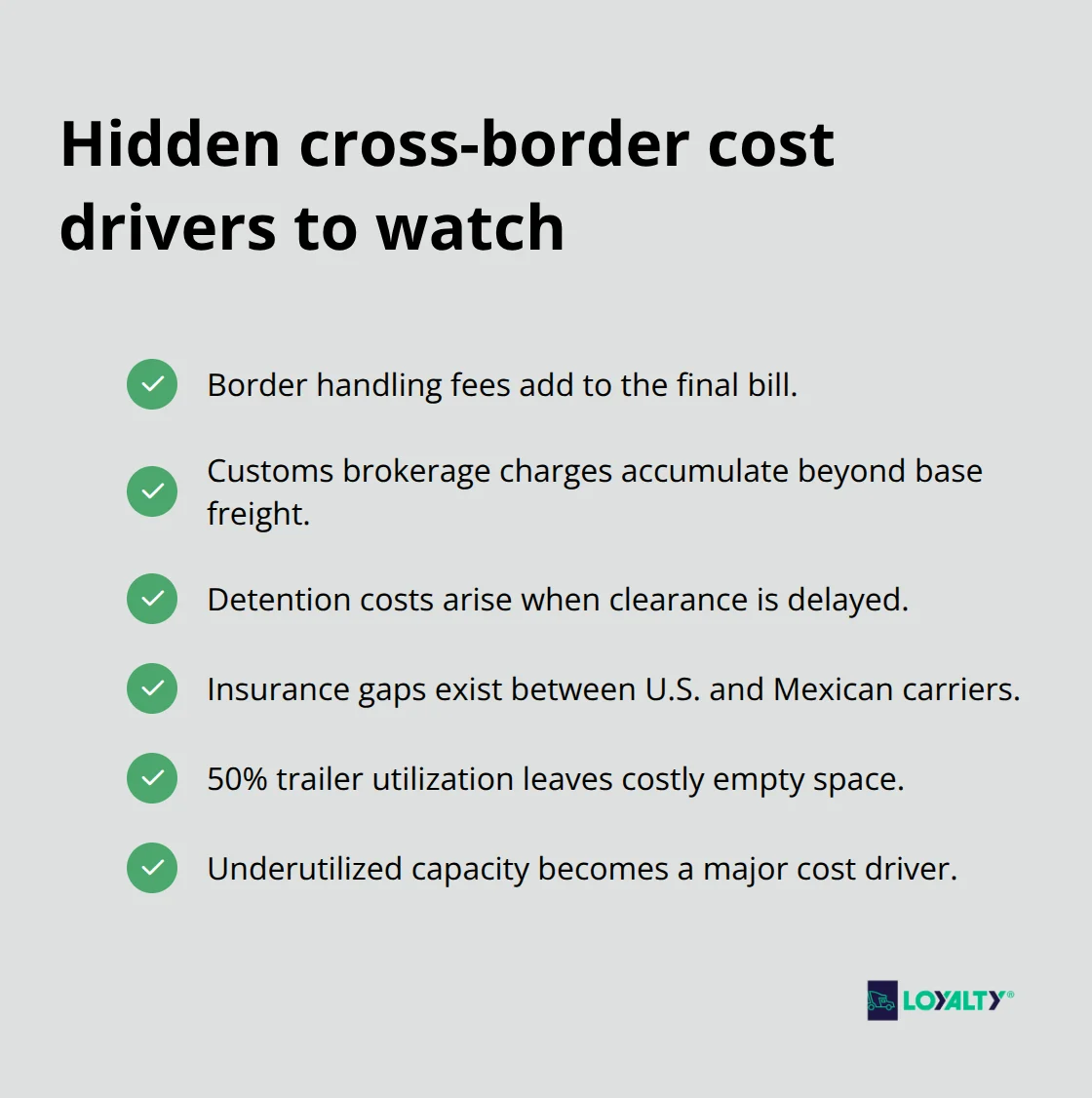
That underutilized capacity represents a major cost driver that most shippers never quantify until they analyze actual shipment patterns.
Consolidation strategies-grouping multiple shipments into single trailers-reduce cross-border spend by up to 40% in some networks. One sourced network achieved nearly 3 million dollars in annualized savings through freight consolidation across suppliers. The real obstacle is that most supply chains lack end-to-end visibility to identify consolidation opportunities across lanes and suppliers.
Returns Logistics Multiplies the Complexity
Returns logistics across borders adds another layer of complexity that many e-commerce operators underestimate. A DHL Online Shopper Survey conducted in 2025 across 24,000 respondents in 24 countries found that return costs and complex return processes rank among the top barriers preventing cross-border purchases (33% cite return costs; 32% cite process complexity). Reverse logistics requires navigating the same customs and compliance framework as forward shipments, but in the opposite direction.
Duties and taxes owed on returned goods create confusion about who pays and when refunds process. Many retailers absorb return shipping costs to remain competitive, but without proper tracking systems, returned items disappear into black holes or arrive damaged. Managing multiple carrier networks compounds this problem: a shipment might move through one carrier northbound but require a different carrier southbound, creating coordination gaps and inconsistent service standards.
Performance Metrics Mask Border Variability
Performance metrics across carriers often hide the real issue-on-time delivery rates look acceptable at the lane level but mask border variability that costs you customer satisfaction and operational flexibility. Proactive visibility and coordinated execution across a unified cross-border provider reduce gaps, delays, and improper charges far more effectively than optimizing individual carrier relationships. The next section shows how to select the right transportation modes and leverage technology to overcome these obstacles.
Optimizing Your Cross-Border Shipping Strategy
Match Transportation Modes to Your Actual Shipment Patterns
Ocean freight, air cargo, and trucking each carry different cost profiles and timelines for cross-border shipments. Ocean freight costs less per unit but takes weeks; air moves faster but burns budgets on heavy shipments; trucking offers flexibility but struggles with utilization on underused lanes. Most supply chain directors select modes based on single shipments rather than analyzing actual volume patterns across their entire cross-border network. McKinsey & Company reports that logistics firms adopting digital technologies see 10-15% improvement in operational efficiency, yet many still rely on carrier quotes without understanding their shipment mix.
Start by auditing your actual shipments over the past 12 months. Which lanes move the highest volume? What percentage of shipments are time-sensitive versus cost-sensitive? Which commodities face customs delays most often? This data reveals where consolidation works and which routes justify premium modes. For example, if your southbound Mexico lane operates at 50% trailer utilization, switching from LTL to consolidated full truckload shipments can slash costs dramatically. One network achieved nearly 3 million dollars in annualized savings through consolidation alone.
Position Fulfillment Centers for Network Efficiency
Regional fulfillment centers positioned on both coasts enable you to batch shipments efficiently and reduce the number of border crossings per order. The U.S.-Mexico freight corridor handles millions of shipments yearly across manufacturing, automotive, retail, and technology sectors, meaning carriers have capacity but only reward shippers who consolidate. Northbound shipments face lighter inspection than southbound flows into Mexico, so timing your consolidation around regulatory cycles matters. Work with a provider who tracks actual utilization metrics and shows you where your network bleeds money rather than one that simply quotes rates.
Deploy Real-Time Tracking to Eliminate Blind Spots
Real-time tracking transforms cross-border shipping from a black box into a managed operation where delays become visible before they hit customers. IoT-enabled visibility across international shipments improves monitoring, condition tracking, and exception handling according to research from the International Journal of Production Economics. Digital customs filing and automated goods classification eliminate manual errors that trigger holds, but only if your system talks directly to border agencies and your carrier partners.
Consolidation strategies work best when paired with visibility into shipment status at every handoff: departure, border approach, customs clearance, carrier transfer, and delivery. A shipment sitting in customs for three days costs you detention charges, missed delivery windows, and customer frustration, yet many shippers discover delays only after the fact. Proactive visibility allows you to flag high-risk shipments early, pre-clear documentation, and coordinate carrier handoffs before congestion hits.
Connect Visibility to Customer Expectations
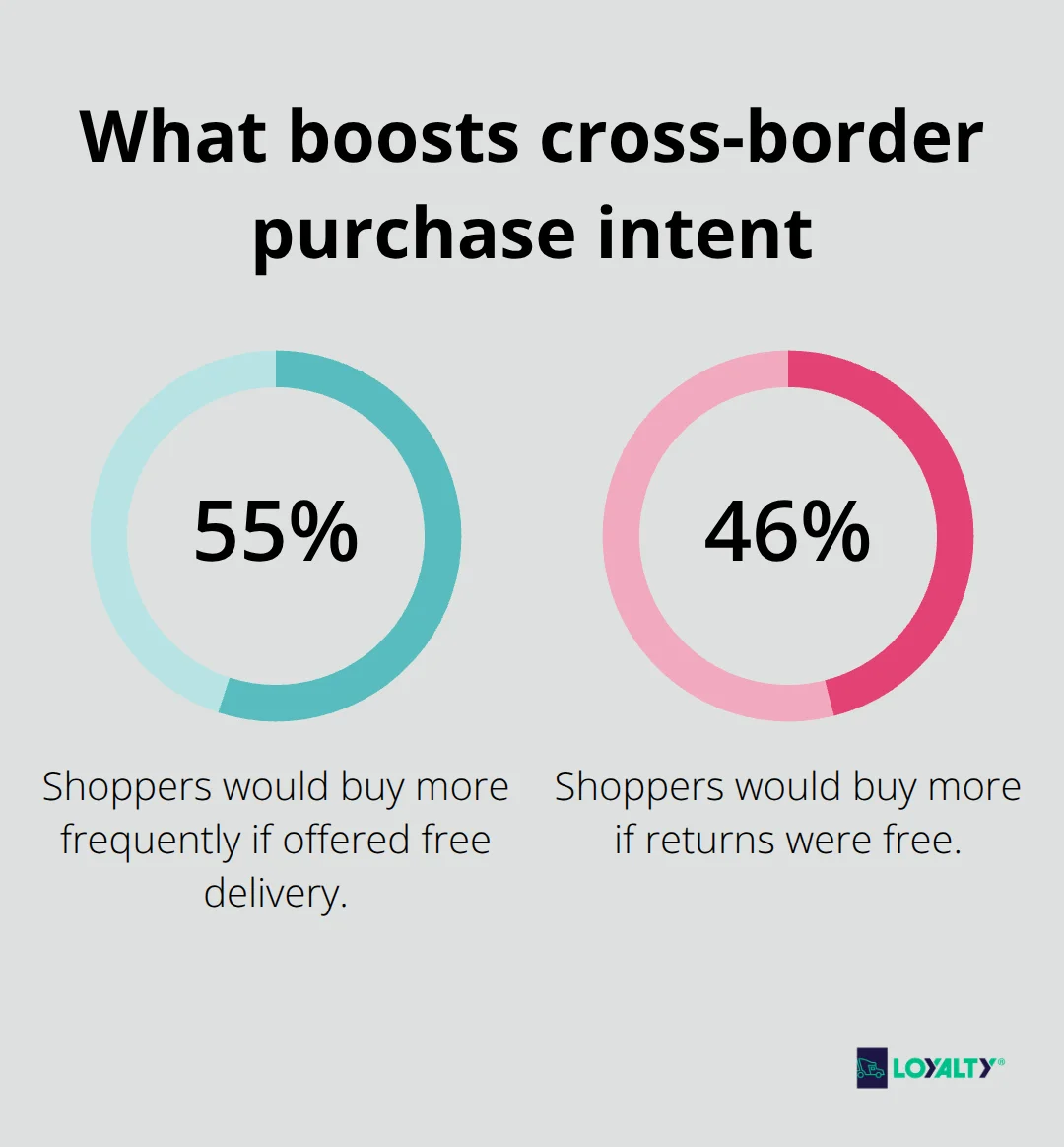
The DHL Online Shopper Survey 2025 found that 55% of cross-border shoppers would buy more frequently if offered free delivery, and 46% would shop cross-border more if returns were free. Speed and reliability drive behavior, but neither happens without knowing exactly where shipments are. When you move from isolated shipment decisions to network-level analysis, cost reductions follow automatically: better consolidation, fewer border exposures, smarter mode selection, and fewer delay-driven expedited shipments.
Most data needed to optimize your cross-border costs already exists in your network; the barrier is achieving end-to-end visibility to act on it. The next section shows how to build reliable partnerships that turn this visibility into consistent, measurable performance improvements.
Building Reliable Partnerships for International Fulfillment
The logistics provider you select determines whether your cross-border network runs smoothly or bleeds money through delays and coordination failures. Most supply chain directors underestimate how much expertise matters when customs compliance, carrier networks, and border handoffs collide. A provider with true cross-border experience tracks regulatory changes in real time, maintains relationships with customs brokers at key borders, and understands which documentation errors trigger holds versus which ones slip through. Specialists know that southbound Mexico shipments face stricter inspections than northbound flows, that trailer utilization on certain lanes averages 50%, and that consolidation opportunities hide in your shipment data.
Choose Providers Who Understand Your Specific Challenges
Generic logistics partners treat cross-border shipments as standard freight. Specialists recognize the structural costs that generic carriers miss entirely. Look for providers who can show you actual utilization metrics from similar networks, not just competitive rate quotes. Ask what percentage of their revenue comes from cross-border operations and whether they employ dedicated teams to track regulatory changes. A provider managing millions of shipments across the U.S.-Mexico corridor yearly understands the regulatory cycles, inspection patterns, and consolidation opportunities that matter most to your bottom line.
Demand Transparency on Every Cost Component
Request a detailed breakdown of every cost element: base freight, border handling fees, customs brokerage charges, detention costs, insurance, and consolidation opportunities across your lanes. Most carriers hide these costs in bundled quotes, which means you never know where money actually flows. Specialized cross-border operators should provide this transparency without hesitation. When you see the actual cost structure, you can identify which lanes justify premium modes and which ones benefit from consolidation strategies.
Track Performance Metrics That Reflect Your Reality
On-time delivery rates look good at the lane level but mask whether delays happen at the border, during customs clearance, or during carrier handoffs. Ask your provider to track performance specifically during peak customs inspection periods and to show you which shipments face the highest risk of delay. Establish clear communication protocols that flag shipments early when documentation gaps appear or when customs queues build. Proactive notification prevents surprises and lets you manage customer expectations before delays compound. A provider who contacts you three days before a shipment hits the border with pre-clearance recommendations saves you far more than one who reports delays after they occur.
Use Weekly Performance Data to Drive Network Decisions
Request weekly performance summaries broken down by route, commodity type, and inspection outcome so you can identify which lanes justify premium modes or consolidation strategies. Real-time visibility into these metrics transforms performance monitoring from a backward-looking exercise into a forward-looking tool that prevents costly disruptions. When your provider shares utilization data, border delay patterns, and customs clearance timelines, you gain the intelligence needed to optimize your entire cross-border network rather than individual shipments.
Final Thoughts
Cross-border e-commerce logistics success requires three actions: audit your current operations to identify hidden costs and consolidation opportunities, request detailed cost breakdowns that separate base freight from border fees and customs charges, and evaluate whether your logistics partner truly specializes in cross-border work or treats international shipments as standard freight. Specialists track regulatory changes in real time, maintain customs broker relationships at key borders, and provide weekly performance data broken down by route and inspection outcome. Most shippers discover 20-40% in hidden expenses once they see the actual cost structure.
Your logistics partner should deliver transparency on every cost component and understand which consolidation strategies work for your specific commodities and routes. They track utilization metrics across your lanes, flag high-risk shipments before delays occur, and coordinate carrier handoffs to prevent coordination failures. At Loyalty Logistics, we specialize in cross-border e-commerce logistics across the U.S., Canada, and Mexico with refrigerated, reefer, flatbed, and LTL shipping options paired with advanced compliance expertise.
Contact Loyalty Logistics to discuss how we can reduce your hidden costs, accelerate delivery timelines, and build the reliable partnerships your international strategy demands.
