
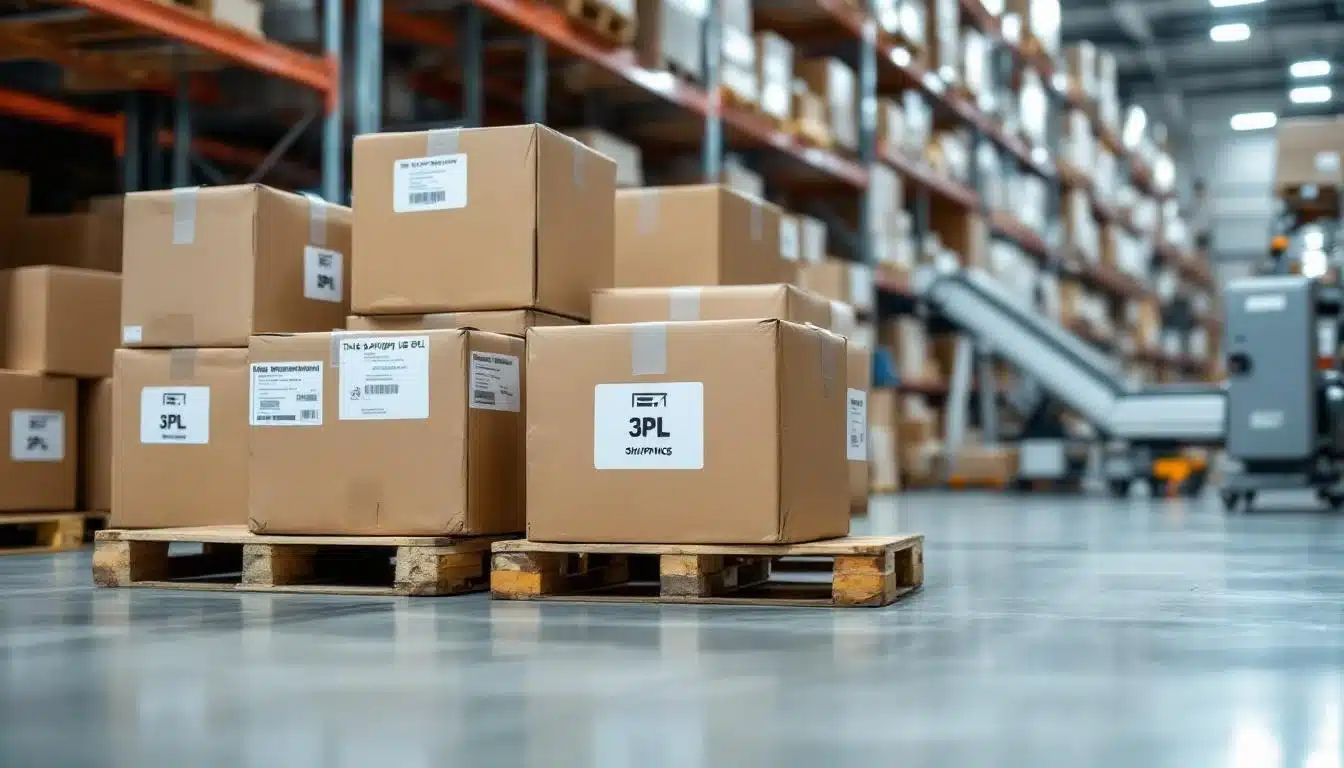
At Loyalty Logistics, we often get asked: “What is a 3PL in logistics?” It’s a crucial question for businesses looking to streamline their supply chain operations.
Third-Party Logistics (3PL) providers have become essential partners for companies of all sizes, offering specialized expertise and services that can transform logistics efficiency. In this post, we’ll explore the role of 3PLs, their benefits, and how they’re shaping the future of supply chain management.
What Does a 3PL Do?
Core Functions of 3PLs
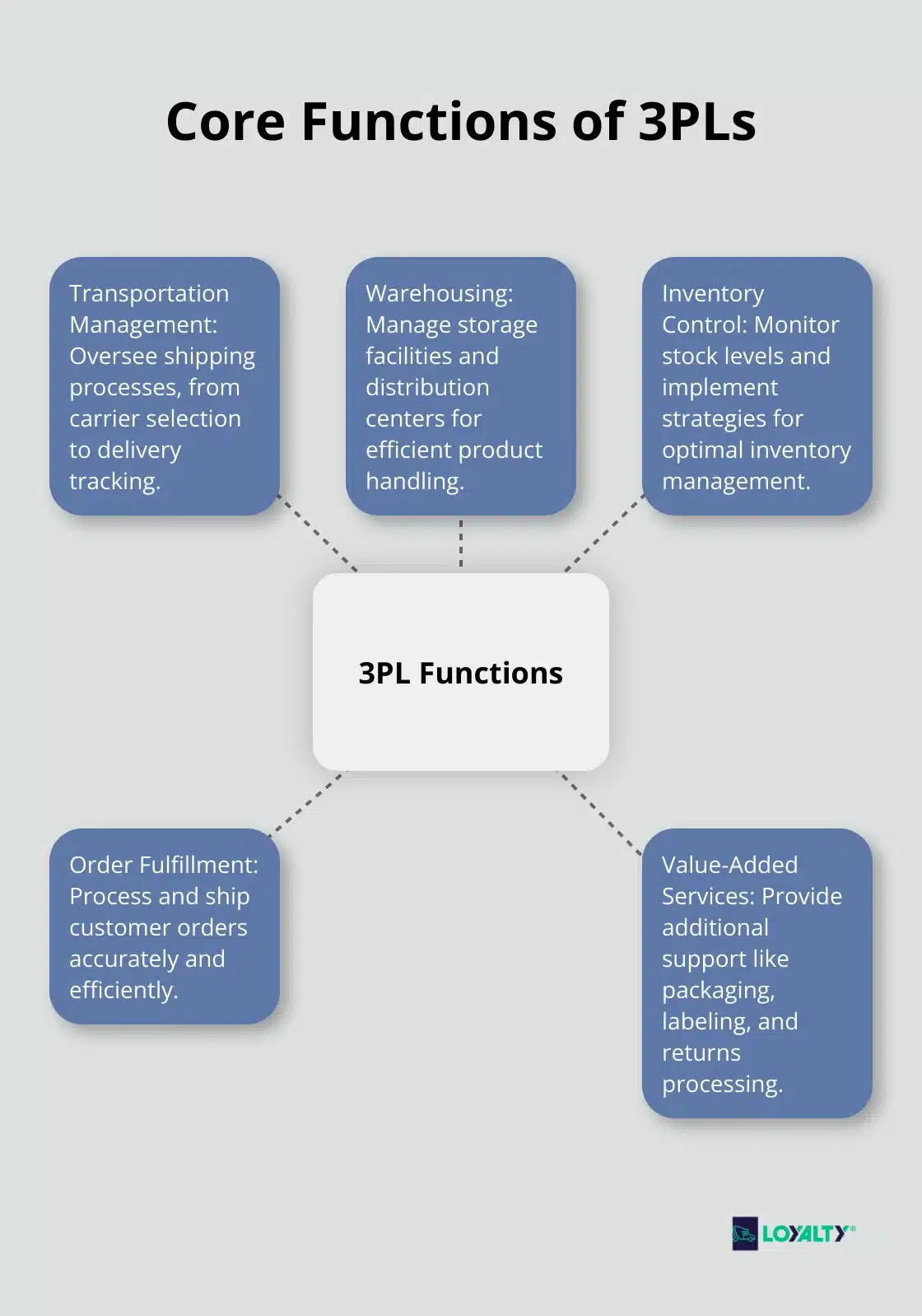
Third-Party Logistics (3PL) providers manage various aspects of a business’s supply chain operations. These specialized companies handle a wide range of logistics tasks, which typically include transportation management, warehousing, inventory control, and order fulfillment. For example, a 3PL might oversee a company’s entire shipping process, from carrier selection to delivery tracking. They also often provide value-added services such as packaging, labeling, and returns processing.
Technology and Expertise
A key advantage of working with a 3PL is access to advanced logistics technology. Many 3PLs utilize sophisticated warehouse management systems (WMS) and transportation management systems (TMS) to optimize operations. This technology enables real-time inventory tracking, route optimization, and data-driven decision making. The expertise of 3PL professionals, combined with these technological tools, can significantly enhance a company’s logistics efficiency.
Integration with Supply Chains
3PLs don’t operate in isolation; they integrate deeply with a company’s supply chain. They often serve as a bridge between manufacturers, retailers, and end customers. A 3PL might coordinate with suppliers to ensure timely inventory replenishment, manage distribution centers, and handle last-mile delivery to customers. This comprehensive approach allows businesses to focus on their core competencies while benefiting from specialized logistics expertise.
Customized Solutions
Every business has unique logistics needs, and 3PLs excel at providing customized solutions. They can tailor their services to meet specific requirements, whether it’s managing temperature-sensitive goods (using refrigerated or reefer trucks), handling oversized items (with flatbed trucks), or providing cost-effective solutions for smaller shipments (through LTL shipping). This flexibility allows businesses of all sizes to access professional logistics management that fits their specific needs.
Scalability and Growth Support
3PLs play a critical role in supporting business growth. As companies expand or enter new markets, 3PLs can quickly scale operations to meet increased demand. They have the resources and expertise to handle sudden spikes in order volume (during peak seasons, for example) or to support expansion into new geographical areas. This scalability is particularly valuable for companies experiencing rapid growth or those looking to expand their market reach without significant upfront investment in logistics infrastructure.
The versatility and expertise of 3PLs make them indispensable partners in today’s complex logistics landscape. As we move forward, let’s explore the specific benefits that businesses can gain from partnering with a 3PL provider.
Why Partner with a 3PL?
Slash Costs, Boost Efficiency
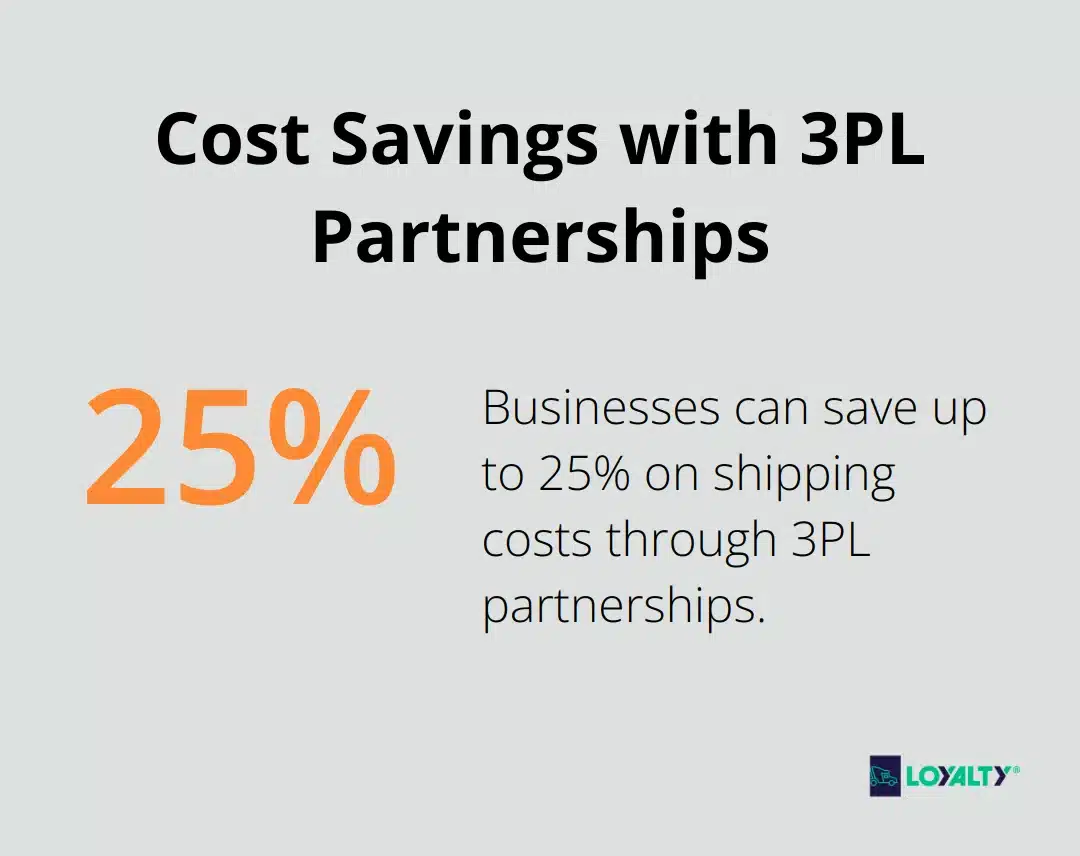
Partnering with a 3PL provider can transform your logistics operations, offering significant advantages that go beyond simple outsourcing. The potential for substantial cost savings stands out as one of the most compelling reasons to work with a 3PL. These providers leverage their scale and relationships to negotiate better rates with carriers. A study by Inbound Logistics found that businesses can save up to 25% on shipping costs through 3PL partnerships. 3PLs also optimize routes and consolidate shipments, further reducing transportation expenses.
Cost-cutting is just the beginning. 3PLs bring efficiency to your operations through their expertise in inventory management. A report by Armstrong & Associates revealed that 3PLs can help businesses reduce inventory levels by up to 20%, which frees up capital and warehouse space.
Tap into Cutting-Edge Tech
In today’s fast-paced logistics world, staying ahead requires the latest technology. 3PLs invest heavily in advanced systems that many businesses couldn’t afford or justify on their own. This includes state-of-the-art warehouse management systems (WMS), transportation management systems (TMS), and real-time tracking tools.
For instance, some 3PLs utilize advanced tracking systems that provide minute-by-minute updates on shipment locations. This level of visibility not only improves operational efficiency but also enhances customer satisfaction. A Capgemini study found that 61% of 3PL users reported significant improvements in their IT capabilities after partnering with a 3PL.
Scale with Ease, Adapt to Change
The logistics landscape constantly evolves, and your business needs to be ready to adapt. 3PLs offer the flexibility to scale operations up or down based on demand. This proves particularly valuable for businesses with seasonal fluctuations or those experiencing rapid growth.
During peak seasons, a 3PL can quickly ramp up resources to handle increased volume without you needing to invest in additional staff or equipment. Conversely, during slower periods, you’re not stuck with excess capacity. This flexibility allows you to maintain optimal efficiency regardless of market conditions.
Access to Expertise and Resources
When you partner with a 3PL, you gain access to a vast network of resources and industry expertise. Whether you need to expand into new markets or handle a sudden surge in orders, 3PLs have the infrastructure and knowledge to support your growth seamlessly.
3PLs employ logistics professionals with years of experience in supply chain management. These experts can provide valuable insights and strategies to optimize your operations (e.g., improving inventory turnover or reducing transit times). Their industry connections can also open doors to new opportunities and partnerships.
As we explore the various services offered by 3PLs in the next section, you’ll see how these benefits translate into practical solutions for your business.
What Services Do 3PLs Offer?
3PL providers offer a comprehensive suite of services to streamline and optimize supply chain operations. These services transform businesses and make 3PLs indispensable partners in modern logistics. Let’s explore the key offerings that set 3PLs apart.
Transportation Management
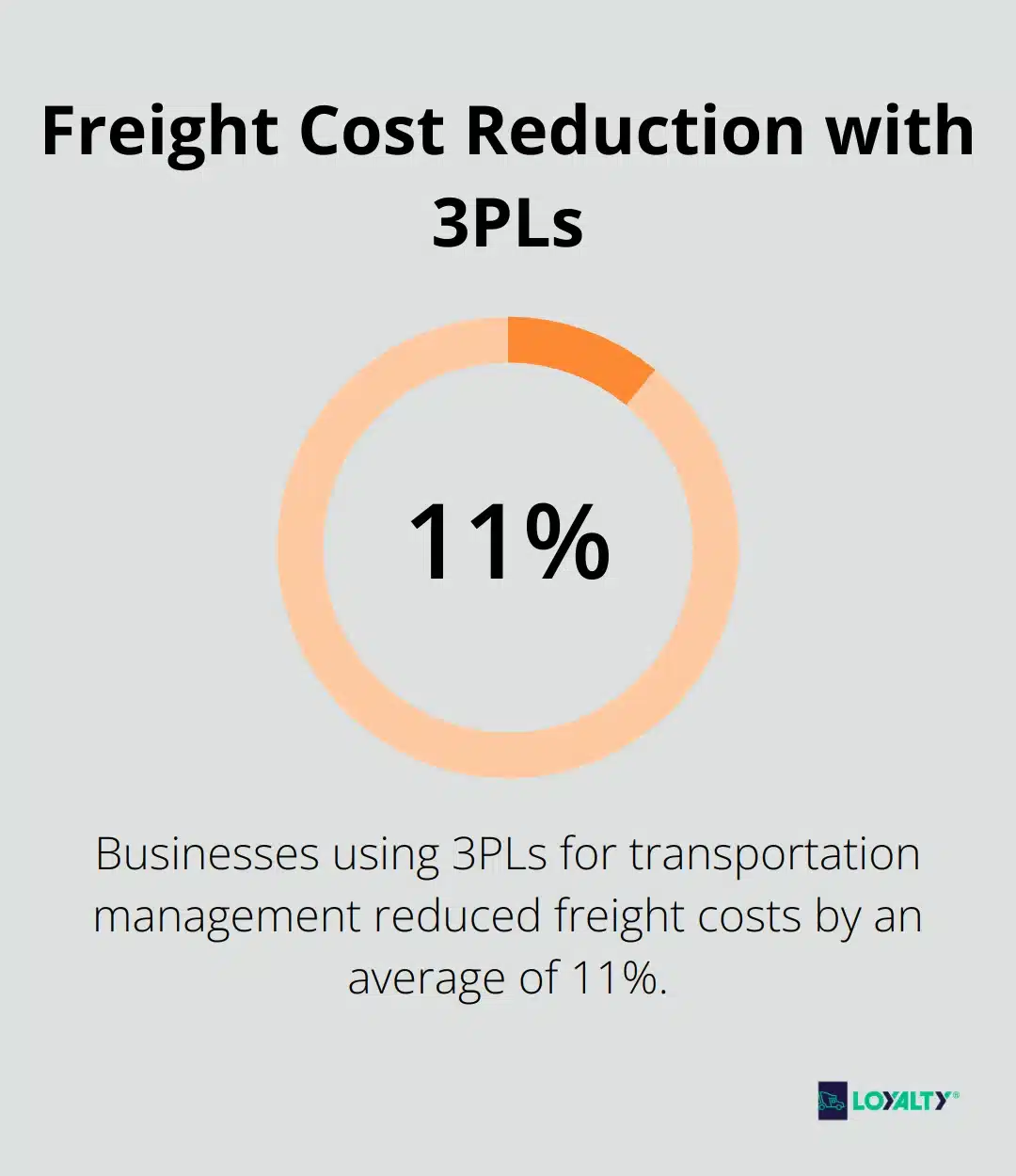
3PLs excel in managing transportation complexities. They use extensive carrier networks to secure competitive rates and optimal routes. A study by the Council of Supply Chain Management Professionals found that businesses using 3PLs for transportation management reduced freight costs by an average of 11%.
3PLs provide real-time tracking and advanced analytics. This visibility allows for proactive problem-solving and continuous improvement. Logistics managers use these insights to identify bottlenecks and optimize delivery schedules, which can reduce transit times by up to 20%.
Warehousing and Distribution
Efficient warehousing is key for timely order fulfillment. 3PLs offer strategically located distribution centers equipped with advanced technology. This network enables faster, more cost-effective delivery to end customers.
Amazon’s fulfillment network (which operates similarly to a 3PL for many sellers) enables same-day or next-day delivery for millions of products. While not every 3PL matches Amazon’s scale, many offer similar speed and efficiency benefits.
Inventory Management
3PLs use sophisticated inventory management systems to optimize stock levels. These systems predict demand patterns, automate reordering, and minimize carrying costs. A Gartner report found that companies using 3PLs for inventory management reduced their inventory holding costs by up to 30%.
3PLs implement strategies like cross-docking to reduce handling and storage time. This technique can cut warehouse labor costs by up to 85% (according to a study in the International Journal of Logistics Research and Applications).
Value-Added Services
Many 3PLs offer value-added services that enhance operations beyond core logistics functions. These include:
- Custom packaging and labeling
- Product assembly and kitting
- Returns management and reverse logistics
- Quality control inspections
These services allow businesses to outsource complex or labor-intensive tasks, which frees up internal resources for core activities. For example, a consumer electronics company might use a 3PL’s kitting services to create holiday bundles (saving time and reducing errors in the process).
Freight Forwarding and Customs Brokerage
For businesses engaged in international trade, 3PLs offer invaluable expertise in navigating complex customs regulations. They handle documentation, duties, and compliance issues to ensure smooth cross-border transactions.
The World Bank’s Logistics Performance Index highlights the importance of customs efficiency in global trade. Countries with efficient customs processes (often facilitated by experienced 3PLs) can see clearance times reduced by up to 50%.
Wrapping Up
Third-party logistics (3PL) providers have become essential partners in modern supply chain management. They offer services that streamline operations, reduce costs, and enhance efficiency for businesses of all sizes. The future of 3PL services will likely include increased adoption of artificial intelligence for predictive analytics and a greater emphasis on sustainability in logistics operations.
Selecting the right 3PL partner is vital for business success. Companies should evaluate factors such as industry experience, technological capabilities, and alignment with company values when choosing a provider. On-time delivery rates, inventory accuracy, and customer service are also important considerations in the selection process.
Loyalty Logistics offers comprehensive transportation solutions across North America with a 98% on-time delivery rate. Their specialized services include refrigerated, reefer, and flatbed trucks, as well as LTL shipping (catering to diverse logistics needs). The Loyalty Green Rewards program and their track record of over 10,000 successful deliveries make them a strong choice for companies looking to improve their supply chain efficiency.